

Close Menu
    Facebook X (Twitter) Instagram
    Saturday, April 25
    • Demos
    • Prevention, Immunity & Public Health
    • Nutrition & Healthy Eating
    • Buy Now
    Facebook X (Twitter) LinkedIn VKontakte
    Health Secrets
    Banner
    • Home
    • Features
      • Example Post
      • Typography
      • Contact
      • View All On Demos
    • Prevention, Immunity & Public Health

      Screening for Severe Combined Immunodeficiency

      April 23, 2026

      5 Methods to Rejuvenate your Heart

      April 23, 2026

      Sunburn Can Lead to Sunstroke

      April 23, 2026

      Prevention of Winter Flu and Bacteria

      April 23, 2026

      Prevent West Nile Virus

      April 23, 2026
    • Typography
    • Medical Conditions & Diseases
      1. Prevention, Immunity & Public Health
      2. Weight Loss & Metabolism
      3. Lifestyle, Habits & Wellness
      4. View All

      Screening for Severe Combined Immunodeficiency

      April 23, 2026

      5 Methods to Rejuvenate your Heart

      April 23, 2026

      Sunburn Can Lead to Sunstroke

      April 23, 2026

      Prevention of Winter Flu and Bacteria

      April 23, 2026

      Caffeine and Fat Loss

      April 23, 2026

      Watery Vegs and Calories Dropping

      April 23, 2026

      Green Tea for Weigth Loss

      April 23, 2026

      Fat as a Factor for Satiety

      April 23, 2026

      The Benefits of Live Shows

      April 23, 2026

      Let the Sun Shine!

      April 23, 2026

      Brush Your Teeth to Beat Heart Disease

      April 23, 2026

      Laugh to Prevent Heart Diseases

      April 23, 2026

      Weight Training Increases Arterial Stiffness

      April 23, 2026

      How To Stop the Heartburn

      April 23, 2026

      Beating Asthma

      April 23, 2026

      Dry Scalp Diseases and Treatments

      April 23, 2026
    • Buy Now
    Health Secrets
    Home » Carpal Tunnel Syndrome – Symptoms and Treatment
    Medical Conditions & Diseases

    Carpal Tunnel Syndrome – Symptoms and Treatment

    Dr. Laura BennettBy Dr. Laura BennettApril 23, 2026No Comments3 Mins Read
    Facebook Twitter Pinterest LinkedIn Tumblr Email
    Share
    Facebook Twitter LinkedIn Pinterest Email
    carpal tunnel syndrome

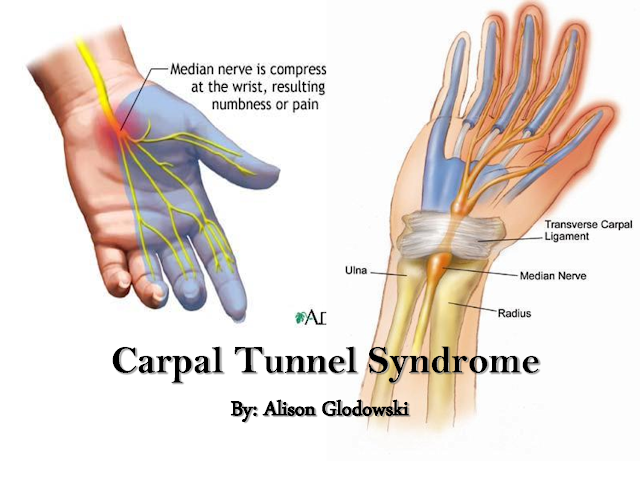
    Carpal Tunnel Syndrome (CTS) is a work-related musculoskeletal disorder often known as a compression neuropathy of the median nerve that passes through the carpal tunnel. Based on clinical symptoms and nerve conduction tests conducted among the general population, CTS is 3.0-5.8% prevalent among women and 0.6-2.1% among men. It is generally believed that CTS is caused when the pressure in the carpal tunnel increases. In recent years, those who use computers in the long run are reported to be the victims of this syndrome.

    Symptoms of Carpal Tunnel Syndrome

    When the disease is in the initial stage, patients report about the involvement of the sensory component of the median nerve. Only when the disease progresses, patients report symptoms linked with the motor fibers. The widely experienced symptom is the burning sensation along with tingling and numbness in the distribution of median nerve distal to wrist. The parts involved in the symptoms are the thumb, middle finger, index finger and radial half of the ring finger. The little finger doesn’t get the symptoms as it is innervated by the ulnar nerve. Very rarely, the ulnar nerve also gets the pain.

    Patients are often disturbed from sleep because of pain and they have to shake their hands vigorously to get relief.

    Nocturnal paraesthesia symptoms are reported to be 51-96% sensitive and 27-68% specific. Some patients report of pain radiating to the forearm, elbow or even the shoulder. In Kendall’s series of 327 patients, 313 (95.7%) reported paresthesia; 118 (38%) reported nocturnal symptoms only, 178 (58%) reported symptoms during the day and night, but worse at night, and 17 (5%) reported symptoms during the day only. In the Yamaguchi et al series, 99% of the 433 surgical patients reported paresthesia. In Phalen’s experience, the typical history was that of a gradual onset of numbness and paresthesia.

    Treatment for Carpal Tunnel Syndrome

    Patients having mild to moderate CTS can be treated without surgery whereas surgery is the only option for severe cases of CTS. The non-surgical recommendations for CTS include:

    • the use of hand braces
    • splinting of the wrist
    • ultrasonic therapy
    • laser therapy
    • oral steroids
    • non-steroid anti-inflammatory drugs (NSAIDs).
    • oral vitamin B6
    • work place modifications and
    • yoga

    O’Connor et al conducted a research to find out whether the above non-surgical treatment options in mild to moderate CTS are really helpful. It was concluded that a significant short-term benefits may be noticed with oral steroids, wrist splinting, local ultrasound therapy, yoga, steroid injection into the wrist and carpal bone mobilization. However, the authors did not find any evidence to support the role of other treatment methods.

    The division of transverse carpal ligament is done in surgery. This increases the space in the carpal tunnel, reducing the pressure on the median nerve. Surgery is recommended for most of the patients with moderate to severe CTS. Two different surgical procedures are in use. One is the conventional open surgery and the other one is through endoscope. Each has its own advantages and disadvantages. However, open release is highly recommended and performed in higher count.

    Carpal Tunnel Syndrome is experienced by most of the people who spend more time using computers. It is believed that numerous biomechanical factors induce pressure on the carpal tunnel resulting in CTS. The important component that is affected by CTS is the forearm muscle which is stressed due to repetitive usage. There are a number of ways to diagnose CTS and surgery is the only way to treat patients with moderate to severe CTS.

    Share. Facebook Twitter Pinterest LinkedIn Tumblr Email
    Previous ArticlePick’s Disease – a Condition Similar to Dementia
    Next Article Stye – Symptoms and Treatment
    Dr. Laura Bennett

    Dr. Laura Bennett is a health writer with a background in biomedical sciences. She focuses on explaining medical conditions, human physiology, and public health topics in a clear, evidence-based, and reader-friendly way.

    Related Posts

    Weight Training Increases Arterial Stiffness

    April 23, 2026

    How To Stop the Heartburn

    April 23, 2026

    Beating Asthma

    April 23, 2026
    Leave A Reply Cancel Reply

    • Facebook
    • Twitter
    • Instagram
    • Pinterest
    About
    About

    Your source for the lifestyle news. This demo is crafted specifically to exhibit the use of the theme as a lifestyle site. Visit our main page for more demos.

    We're social, connect with us:

    Facebook X (Twitter) Pinterest LinkedIn VKontakte
    From Flickr
    Ascend
    terns
    casual
    riders on the storm
    chairman
    mood
    monument
    liquid cancer
    blue
    basement
    ditch
    stars
    Copyright © 2017. Designed by ThemeSphere.
    • Home
    • Prevention, Immunity & Public Health
    • Sleep, Recovery & Hormones
    • Mental Health & Emotional Well-Being
    • Buy Now

    Type above and press Enter to search. Press Esc to cancel.