


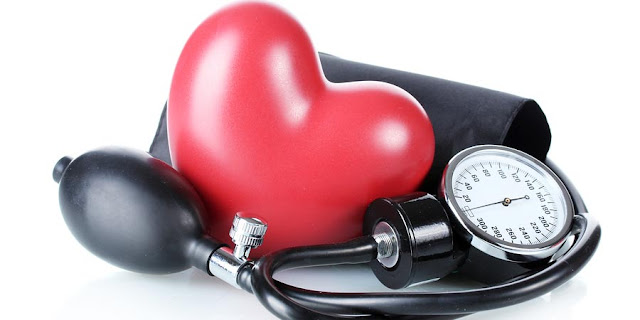
According to the American Heart Association, one in three Americans has hypertension, with a third of those not knowing they have it. High blood pressure is dangerous because it makes the heart work harder than needed and hardens the arterial walls. Hypertension can increase the risk for heart attack and stroke, which are the number one and three primary causes of death in the United States respectively. It can also lead to heart failure, kidney failure and blindness. High blood pressure can lack symptoms so many don’t know that they have it. The only way to find out is to have one’s blood pressure checked regularly. Luckily there are simple lifestyle changes that can help prevent or control hypertension.
Diet
The National Heart, Lung and Blood Institute’s DASH diet, is a good model to follow. DASH stands for Dietary Approaches to Stop Hypertension. The diet basically is low in saturated fat, cholesterol and total fat, emphasizing fruits, vegetables, whole grains and low-fat dairy products. Fruits and vegetables provide fiber, magnesium and potassium, which are all important for arterial health. Specific fruits and vegetables such as canteloupes, prunes, raisins, bananas and potatoes are especially high in potassium. Potassium helps regulate the body’s fluid and salt levels. This, in conjunction with decreasing salt intake to no more than 1500mg a day, can effectively lower blood pressure readings by 10 points. Other foods that help lower hypertension include oatmeal, soy, and dark chocolate. Some Vitamins and supplements that may aid in lowering blood pressure include magnesium, fish-oil supplements, garlic and hawthorn. Dosages and efficacy may vary from individual to individual. Checking with one’s physician prior to taking these supplements is a must.
Lifestyle changes
There are several life-style changes that can help reduce hypertension. These include limiting alcohol consumption, quitting smoking, exercise and decreasing stress.
In some, alcohol raises blood pressure and heavy drinkers tend to have hypertension. Alcohol consumption should be limited to a drink a day. Smoking should be eliminated completely. Tobacco can include elements and compounds that contribute to the hardening of the arteries and the nicotine in cigarettes can cause blood vessels to contract, increasing the risks associated with high blood pressure.
Brisk exercise, consisting of thirty minutes a day, several times a week can help lower overall blood pressure. Although exercise can temporarily increase blood pressure during the activity, it does help lower overall resting blood pressure greatly. In addition, exercise promotes weight loss, reducing the amount of work that the heart has to perform. Checking with one’s physician prior to implementation of an exercise program is advised.
Stress can increase heart rate, which can lead to hypertension. Relaxation techniques and biofeedback methods are helpful to combat stress. These may include meditation, mind-body exercises, stress reduction training and things as simple as becoming involved with a hobby or getting a pet.
The numbers
Blood pressure consists of two numbers. The top number, systolic pressure measures blood flow at its highest pressure when the heart beats, while the lower number, diastolic pressure, measures blood flow when the heart is at rest. Although both numbers are important, the diastolic pressure reading is the one that concerns the most, because high pressure at rest can only go up when exertion is applied. The National Heart, Lung and Blood Institute maintains that a blood pressure of 120/80mg or lower is normal. Readings of 140/90mg or higher can indicate hypertension. It’s important to get checked regularly, not only by a physician, but also occasionally at home, by taking one’s own blood pressure.
High blood pressure is a silent killer. Regular checkups and home monitoring can diagnose this problem. Changes in lifestyle and diet can help control or lower hypertension. Consultation with one’s physician is necessary prior to exercise programs, vitamin supplement ingestion and the prescription of medications, if indicated.
