

Close Menu
    Facebook X (Twitter) Instagram
    Friday, April 24
    • Demos
    • Prevention, Immunity & Public Health
    • Nutrition & Healthy Eating
    • Buy Now
    Facebook X (Twitter) LinkedIn VKontakte
    Health Secrets
    Banner
    • Home
    • Features
      • Example Post
      • Typography
      • Contact
      • View All On Demos
    • Prevention, Immunity & Public Health

      Screening for Severe Combined Immunodeficiency

      April 23, 2026

      5 Methods to Rejuvenate your Heart

      April 23, 2026

      Sunburn Can Lead to Sunstroke

      April 23, 2026

      Prevention of Winter Flu and Bacteria

      April 23, 2026

      Prevent West Nile Virus

      April 23, 2026
    • Typography
    • Medical Conditions & Diseases
      1. Prevention, Immunity & Public Health
      2. Weight Loss & Metabolism
      3. Lifestyle, Habits & Wellness
      4. View All

      Screening for Severe Combined Immunodeficiency

      April 23, 2026

      5 Methods to Rejuvenate your Heart

      April 23, 2026

      Sunburn Can Lead to Sunstroke

      April 23, 2026

      Prevention of Winter Flu and Bacteria

      April 23, 2026

      Caffeine and Fat Loss

      April 23, 2026

      Watery Vegs and Calories Dropping

      April 23, 2026

      Green Tea for Weigth Loss

      April 23, 2026

      Fat as a Factor for Satiety

      April 23, 2026

      The Benefits of Live Shows

      April 23, 2026

      Let the Sun Shine!

      April 23, 2026

      Brush Your Teeth to Beat Heart Disease

      April 23, 2026

      Laugh to Prevent Heart Diseases

      April 23, 2026

      Weight Training Increases Arterial Stiffness

      April 23, 2026

      How To Stop the Heartburn

      April 23, 2026

      Beating Asthma

      April 23, 2026

      Dry Scalp Diseases and Treatments

      April 23, 2026
    • Buy Now
    Health Secrets
    Home » Causes of Hypoglycaemia
    Medical Conditions & Diseases

    Causes of Hypoglycaemia

    Dr. Laura BennettBy Dr. Laura BennettApril 23, 2026No Comments3 Mins Read
    Facebook Twitter Pinterest LinkedIn Tumblr Email
    Share
    Facebook Twitter LinkedIn Pinterest Email
    hypoglycaemia

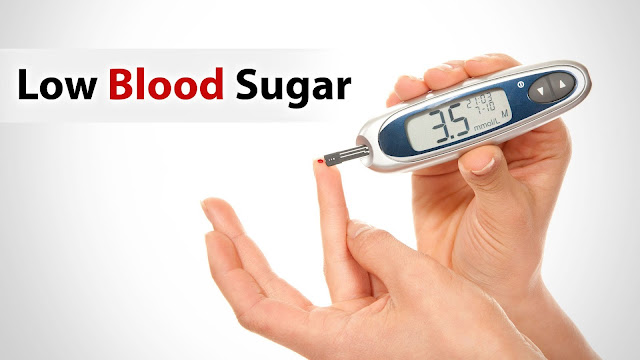
    Hypoglycaemia means that the glucose in the blood has dropped to a level that may cause harm if prolonged. This level is around 2.5mmols/litre in most people.

    The most frequent reason for this is seen in diabetics due to the failure to adequately match insulin dose (or diabetic tablets) with food intake and energy expenditure – in effect, an insulin overdose. However it can occur in non-diabetics for a variety of reasons. As the effects of low blood glucose can be serious, rapid attention to the problem is paramount.

    Control of Blood Glucose Level

    Blood glucose is a prime source of energy for the muscles and organs of the body. Whereas many tissues can also utilise fat for their energy needs the brain can only use glucose, a fact that has considerable bearing on the consequences of hypoglycaemia.

    The hormone insulin removes glucose from the blood and transports it into the muscles and the liver where it is stored. Glucagon, also a hormone, has the opposite effect and removes glucose from storage to enter the circulation.

    Clearly fine control of these two hormones, and incidentally many other factors, is needed to maintain blood glucose at appropriate levels.

    Causes of Hypoglycaemia

    • Reactive hypoglycaemia: probably caused by an overproduction of insulin following a high carbohydrate meal. The left over insulin mops up too much glucose from the blood.
    • Tumour: pancreatic tumours, which are usually benign, can secrete large amounts of insulin
    • Addison’s disease; a disease of the adrenal glands. Some of the hormones secreted by the adrenal have a marked effect on glucose metabolism
    • Reduced liver function; dysfunction of the liver can disturb the control of glucose storage.
    • Poor functioning pituitary gland.
    • Partial gastrectomy: when the stomach is made smaller food enters the small intestine quicker than it should. This stimulates overproduction of insulin leading to a reactive hypoglycaemia.
    • Cancer: many cancers can have a marked effect on the body’s energy metabolism.
    • Fasting or malnutrition
    • Excess alcohol

    Signs and Symptoms of Hypoglycaemia

    Depending on the individual and degree of hypoglycaemia, some or all of those listed below may be experienced.

    • Pallor, trembling, perspiration
    • Hunger, agitation rapid heart beat
    • Feeling weak, irritability, fatigue
    • Poor concentration, blurred vision
    • Convulsions, loss of consciousness.

    The last two – convulsions and loss of consciousness suggest that the brain is becoming impaired through lack of glucose. As indicated earlier the brain has no other energy supply to fall back on so permanent damage can occur unless action is taken rapidly.

    Treatment

    The important first step is to make sure your signs and symptoms really are due to low blood sugar. The only way to do this is to get it measured by your physician. If hypoglycaemia is occurring the cause needs be found and treated.

    Reactive hypoglycaemia is treated by diet. The trick is to avoid large surges of insulin. This is best done by avoiding refined sugars and eating more complex carbohydrates. Essentially these are carbohydrates that require effort by the body to digest and assimilate ensuring slower entry of glucose into the blood stream. Wholemeal breads, particularly with grains in, whole fruits rather than smoothies are best. It’s also important to eat plenty of fresh vegetables as the presence of these in the gut will help ensure slower absorption of glucose.

    This article is intended for information only. If you think you might be experiencing low blood glucose you should visit a health professional.

    Share. Facebook Twitter Pinterest LinkedIn Tumblr Email
    Previous ArticleFractures of the Hip
    Next Article Headache
    Dr. Laura Bennett

    Dr. Laura Bennett is a health writer with a background in biomedical sciences. She focuses on explaining medical conditions, human physiology, and public health topics in a clear, evidence-based, and reader-friendly way.

    Related Posts

    Weight Training Increases Arterial Stiffness

    April 23, 2026

    How To Stop the Heartburn

    April 23, 2026

    Beating Asthma

    April 23, 2026
    Leave A Reply Cancel Reply

    • Facebook
    • Twitter
    • Instagram
    • Pinterest
    About
    About

    Your source for the lifestyle news. This demo is crafted specifically to exhibit the use of the theme as a lifestyle site. Visit our main page for more demos.

    We're social, connect with us:

    Facebook X (Twitter) Pinterest LinkedIn VKontakte
    From Flickr
    Ascend
    terns
    casual
    riders on the storm
    chairman
    mood
    monument
    liquid cancer
    blue
    basement
    ditch
    stars
    Copyright © 2017. Designed by ThemeSphere.
    • Home
    • Prevention, Immunity & Public Health
    • Sleep, Recovery & Hormones
    • Mental Health & Emotional Well-Being
    • Buy Now

    Type above and press Enter to search. Press Esc to cancel.