

Close Menu
    Facebook X (Twitter) Instagram
    Friday, April 24
    • Demos
    • Prevention, Immunity & Public Health
    • Nutrition & Healthy Eating
    • Buy Now
    Facebook X (Twitter) LinkedIn VKontakte
    Health Secrets
    Banner
    • Home
    • Features
      • Example Post
      • Typography
      • Contact
      • View All On Demos
    • Prevention, Immunity & Public Health

      Screening for Severe Combined Immunodeficiency

      April 23, 2026

      5 Methods to Rejuvenate your Heart

      April 23, 2026

      Sunburn Can Lead to Sunstroke

      April 23, 2026

      Prevention of Winter Flu and Bacteria

      April 23, 2026

      Prevent West Nile Virus

      April 23, 2026
    • Typography
    • Medical Conditions & Diseases
      1. Prevention, Immunity & Public Health
      2. Weight Loss & Metabolism
      3. Lifestyle, Habits & Wellness
      4. View All

      Screening for Severe Combined Immunodeficiency

      April 23, 2026

      5 Methods to Rejuvenate your Heart

      April 23, 2026

      Sunburn Can Lead to Sunstroke

      April 23, 2026

      Prevention of Winter Flu and Bacteria

      April 23, 2026

      Caffeine and Fat Loss

      April 23, 2026

      Watery Vegs and Calories Dropping

      April 23, 2026

      Green Tea for Weigth Loss

      April 23, 2026

      Fat as a Factor for Satiety

      April 23, 2026

      The Benefits of Live Shows

      April 23, 2026

      Let the Sun Shine!

      April 23, 2026

      Brush Your Teeth to Beat Heart Disease

      April 23, 2026

      Laugh to Prevent Heart Diseases

      April 23, 2026

      Weight Training Increases Arterial Stiffness

      April 23, 2026

      How To Stop the Heartburn

      April 23, 2026

      Beating Asthma

      April 23, 2026

      Dry Scalp Diseases and Treatments

      April 23, 2026
    • Buy Now
    Health Secrets
    Home » Lyme Disease Transmission
    Prevention, Immunity & Public Health

    Lyme Disease Transmission

    Dr. Laura BennettBy Dr. Laura BennettApril 23, 2026Updated:April 24, 2026No Comments4 Mins Read
    Facebook Twitter Pinterest LinkedIn Tumblr Email
    lyme disease
    Share
    Facebook Twitter LinkedIn Pinterest Email

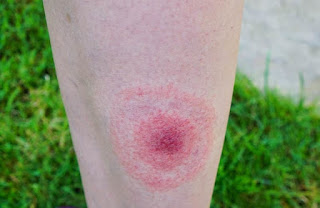
    Lyme disease (LD) is normally transmitted by ticks, usually Ixodes scapularis, the black-legged tick; but other ticks, mosquitoes, and horse flies have been known to also transmit it. If not interrupted, ticks feed for four or more days. They become engorged within a day of biting, but stay about the same size although they continue to feed for several more days.

    Transmitting the Bacteria

    Blood is composed of only 40% blood cells, and those are about 90% water. Thus, about 95% of what the tick removes from the host has no nutritive value for the tick. In order to prevent itself from exploding from excess water, the tick removes nutrients and proteins (albumin and hemoglobin) from the blood and vomits the liquid back into the host: repeatedly sucking fresh blood, removing the nutrients, and spitting the liquid back.

    If the tick is infected, the bacteria are injected while the tick is regurgitating. This usually does not happen until the tick has become engorged with blood – about 36 hours or more after attaching, but some have contracted LD from ticks that were imbedded less than 10 hours without becoming engorged. Removing a non-swollen tick usually means the person will probably not be infected unless the tick is squeezed or caused to regurgitate before releasing its bite, but a doctor should always be informed about tick bites.

    Removing Ticks

    A plastic card with a v cut at one end removes ticks easily, but a fine tweezers or removal tool may also be used. The card or tool is slipped under the tick with the point of the v at its head (the part with feet sticking out) and pushed toward the tick’s rear. If the tick is newly imbedded, it usually pops out. If the jaws of the tick, or even its head might break off and remain in the skin, a doctor should remove the tick to prevent infection. The area should be flushed with an astringent mouthwash or alcohol, and the tick killed in the same liquid. If a tick cannot be removed easily, a doctor should remove it.

    Ticks must not be removed by trying to:

    • Heat them with a cigarette. They will vomit immediately.
    • Burn them. They will vomit and die.
    • Cover them with petroleum jelly. They only breathe a couple of times an hour and will not suffocate.
    • Squeeze them. Any bacteria they have will be regurgitated.
    • Flood them with alcohol or mouthwash. They vomit and die.

    Preventing Tick Bites

    Just because a tick crawls onto a person does not mean it will feed. Once on a potential host, the tick may drop off or crawl to the body and imbed, often in hair, sometimes against a barrier such as belted clothing. Standard methods of preventing tick bites are to:

    • Tuck pant legs inside socks.
    • Use insect repellent on clothing and skin.
    • Check for ticks after every session outside.
    • Wear light colored clothing.

    Even the most rigorous attention to these methods does not always protect against bites. Some individuals are more prone to being bitten than others. A less “orthodox” addition to the above techniques is to:

    • Take two 500 mg garlic capsules and 1000 mg of fish oil daily.

    Those who have tried it, find the combination even more effective in reducing the number of bites. People who were once “tick magnets” almost immediately find very few ticks on them once adding these oils to their diets. Thus, the combination of garlic and fish oil is highly recommented to repel ticks for people who are not allergic to them. Garlic powder is touted by several animal feed stores as an excellent way to keep pets and domestic animals free from ticks. But dosing pets with huge amounts of garlic can be fatal to them. Like all medications, moderation is the rule.

    Share. Facebook Twitter Pinterest LinkedIn Tumblr Email
    Previous ArticleNon-Toxic Head Lice Treatments
    Next Article Lyme Disease Ticks and Spirochetes
    Dr. Laura Bennett

    Dr. Laura Bennett is a health writer with a background in biomedical sciences. She focuses on explaining medical conditions, human physiology, and public health topics in a clear, evidence-based, and reader-friendly way.

    Related Posts

    Screening for Severe Combined Immunodeficiency

    April 23, 2026

    5 Methods to Rejuvenate your Heart

    April 23, 2026

    Sunburn Can Lead to Sunstroke

    April 23, 2026
    Leave A Reply Cancel Reply

    • Facebook
    • Twitter
    • Instagram
    • Pinterest
    About
    About

    Your source for the lifestyle news. This demo is crafted specifically to exhibit the use of the theme as a lifestyle site. Visit our main page for more demos.

    We're social, connect with us:

    Facebook X (Twitter) Pinterest LinkedIn VKontakte
    From Flickr
    Ascend
    terns
    casual
    riders on the storm
    chairman
    mood
    monument
    liquid cancer
    blue
    basement
    ditch
    stars
    Copyright © 2017. Designed by ThemeSphere.
    • Home
    • Prevention, Immunity & Public Health
    • Sleep, Recovery & Hormones
    • Mental Health & Emotional Well-Being
    • Buy Now

    Type above and press Enter to search. Press Esc to cancel.