


High blood pressure (hypertension) is often called the “silent killer.” That’s because there are rarely any symptoms. Then a person may die as the result of the damage done over time by the presence of high blood pressure. For this reason, people need to have their blood pressure monitored routinely.
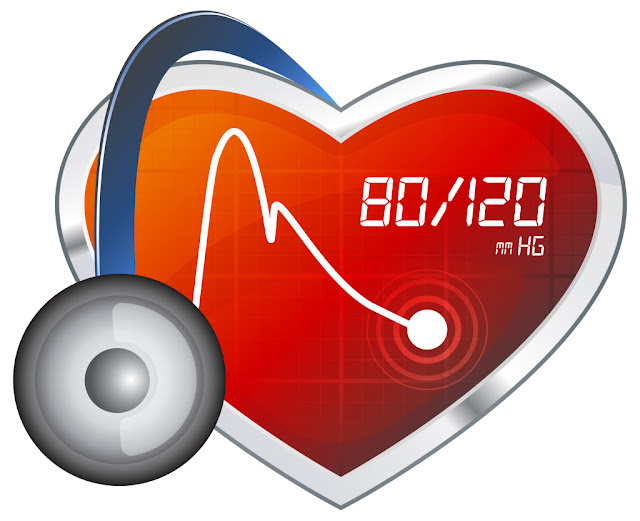
Doctors prefer blood pressures to be 120/80 or lower. The top number, 120, is called the systolic number. That top number is obtained when the heart is working to pump blood. The bottom number, 80, is called the diastolic number. It is obtained while the heart is at rest. Both numbers are important.
Diagnosing High Blood Pressure
The diagnosis of hypertension is given to a person who has repeated readings of 140/90 or greater. A diagnosis of hypertension is not based on a single reading. Blood pressures vary over the course of the day. It’s usually lower during sleep and higher in the morning. Pain and stress may elevate a blood pressure reading.
Primary or Secondary High Blood Pressure
The doctor may label the hypertension as primary or secondary. Primary has unknown causes. Secondary means it is a result of something else, a tumor for example. No matter what the cause, high blood pressure requires treatment. Treating hypertension properly can prevent many problems. Some of these problems are: heart attacks, strokes, kidney damage, and vision loss.
Hypertension Increases the Risk of a Heart Attack
People with HBP have heart attacks much more often than those who don’t. A heart attack is caused by a blockage of the blood supply to the heart. HBP can cause the arteries to become narrow. That narrowing increases the possibility of a blockage. Blockages cause heart attacks. Hypertension also causes the heart to work harder.
Blood Clots Cause Death to Organs ond People
Anything that prevents the flow of oxygen-carrying blood can cause death to an organ or a person. Since high blood pressure damages the blood vessels, it increases the risk of getting a blood clot. A trapped blood clot cuts off the flow of blood and oxygen. That’s what kills organs and people.
Strokes Cause Brain Damage
When a person has a stroke, the brain function is impaired because of a problem in the blood supply. As a result, the brain is damaged. Prolonged high blood pressure can cause blood vessels to become narrow. That makes the blood vessels more likely to trap a clot or burst (hemorrhage). Blood clots and hemorrhages are the leading two causes of strokes.
High Blood Pressure Causes Kidney Damage
The same abnormal high blood pressure that damages the heart and brain can also damage the kidneys. When the flow of blood to the kidneys is impaired a person can become very sick, very fast. The kidneys are the filtering system for the body, so any damage to this organ can turn fatal.
High Blood Pressure Causes Vision Loss
The blood vessels in the eye are already very small. And over time, the HBP can cause those passages to become narrower. Hemorrhages occur when the blood can’t pass through the vessels properly. High blood pressure can also cause swelling of the nerves in the eye. All these things can lead to vision loss.
Ways to Reduce Blood Pressure
Some factors that affect hypertension cannot be controlled. These factors are age, race, heredity, and gender. Other risk factors can be eliminated. The same things that are bad for general health also influence the blood pressure.
- Alcohol
- Cigarettes
- Obesity
- Stress
- Inactivity
Too much salt is also a controllable factor.
So prevention is the key to avoiding these (and other) serious problems. Have blood pressures monitored routinely. If high blood pressure is a problem, follow the doctor’s recommended treatment plan to the letter. Take medicines as prescribed, even if you feel fine. Remember, they don’t call it the “silent Killer” for nothing.
