


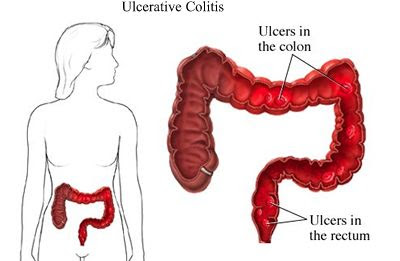
Ulcerative colitis (UC) is a chronic inflammatory bowel disease (IBD) that affects the lining of the colon (large intestine) and rectum. It causes inflammation and ulcers in the digestive tract, leading to symptoms such as diarrhea, abdominal pain, and fatigue.
Although ulcerative colitis shares similarities with Crohn’s disease, the two conditions are different. UC affects only the inner lining of the colon, while Crohn’s disease can impact any part of the digestive tract and deeper tissue layers.
What Causes Ulcerative Colitis?
The exact cause of ulcerative colitis is still unknown, but several factors are believed to contribute:
1. Immune System Dysfunction
UC is considered an autoimmune condition. The immune system mistakenly attacks healthy cells in the colon, causing inflammation.
2. Genetic Factors
People with a family history of ulcerative colitis or other autoimmune diseases are at higher risk.
3. Environmental Triggers
Diet, stress, infections, and lifestyle factors may trigger symptoms or flare-ups, although they do not directly cause the disease.
Common Symptoms of Ulcerative Colitis
Symptoms can vary from mild to severe and may develop gradually. The most common include:
- Diarrhea, often with blood or mucus
- Abdominal pain and cramping
- Urgency to have bowel movements
- Rectal bleeding
- Fatigue and weakness
- Weight loss and loss of appetite
- Fever (in more severe cases)
In some individuals, inflammation may be limited to the rectum (proctitis), resulting in milder symptoms.
Complications of Ulcerative Colitis
If left untreated or poorly managed, ulcerative colitis can lead to serious health issues, including:
- Increased risk of colon cancer
- Severe dehydration and nutrient deficiencies
- Anemia due to blood loss
- Delayed growth in children
- Bone loss (osteoporosis), often linked to long-term medication use
- In severe cases, the need for surgical removal of the colon
How to Prevent and Manage Ulcerative Colitis
While there is no guaranteed way to prevent ulcerative colitis, certain lifestyle and treatment strategies can help reduce flare-ups and manage symptoms:
1. Medications
Doctors may prescribe:
- Anti-inflammatory drugs (e.g., mesalazine)
- Immunosuppressants
- Biologic therapies targeting the immune response
2. Dietary Adjustments
- Eat smaller, more frequent meals
- Avoid trigger foods such as spicy, fatty, or highly processed foods
- Limit carbonated drinks and caffeine
- Maintain a balanced, nutrient-rich diet
3. Hydration
Drink plenty of water to prevent dehydration caused by diarrhea.
4. Stress Management
Stress can worsen symptoms, so techniques like relaxation, exercise, and mindfulness may help.
When to See a Doctor
Seek medical advice if you experience:
- Persistent diarrhea or blood in stool
- Severe abdominal pain
- Unexplained weight loss
- Ongoing fatigue
Early diagnosis and treatment can significantly improve quality of life and prevent complications.
Final Thoughts
Ulcerative colitis is a lifelong condition, but with proper management, many people can live normal, active lives. Understanding your triggers, following medical advice, and maintaining a healthy lifestyle are key to controlling symptoms.
