


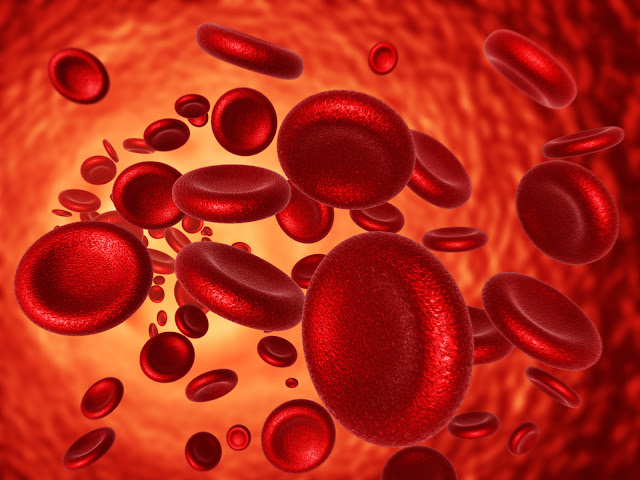
Anemia is a condition where there are not enough red blood cells in the body, or there is not enough protein (hemoglobin) in the red blood cells. There are many different types of anemia ranging from mild to moderate, moderate to severe. According to Women’s Health.gov, over three million people in the United States have anemia. Women and people with chronic health conditions are at greater risk than others (1).
Is anemia really a serious condition? The answer is yes. Not having enough healthy red blood cells in the body, the cells that carry oxygen to vital organs, means the body is not getting the supply of oxygen it needs. Vital organs are effected and can be damaged, and eventually could lead to death. Anemia can be temporary or long term, diet induced or hereditary, and also could be an indicator of other medical conditions.
What are the Types of Anemia and the Symptoms?
Some types of anemia include:
- iron deficiency anemia (IDA)
- sickle cell anemia
- aplastic anemia
- vitamin deficiency anemia
- thalasemia
Symptoms vary, but some types of anemia share common symptoms. According to Mayo Clinic vitamin deficiency anemia symptoms can include: fatigue, pale or yellowish skin, diarrhea, muscle weakness, mental confusion or forgetfulness, irritability, numbness and tingling in hands and feet, weight loss and other symptoms (2). Aplastic anemia carries some of the same symptoms, but also include unexplained or easy bruising, skin rash, dizziness, rapid or irregular heart rate and prolonged or frequent infections (3).
Depending on the type and intensity of the anemia, some patients may experience all, some or none of the symptoms. These symptoms can also be a sign of other illnesses so it is important for patients to discuss any symptoms with a medical professional, undergo testing and discuss treatment options with a doctor.
How is Anemia Treated?
Treatments for anemia vary based on type and severity. Self diagnosing anemia and self medicating could cause other problems, such as hemocrhomatosis, a condition caused by too much iron build up in the blood (1). Too much iron can damage organs, including the liver. Iron overload can also cause heart problems, early menopause, arthritis and even a loss of sex drive (1). While iron supplements may be prescribed for treatment of IDA, one should be sure to follow the physician prescribed dosage, and to go back for any follow up doctor’s visits in order to monitor iron levels.
Medical professionals run blood test to determine the type of anemia, along with other physical exams, and evaluate patient medical history and family medical history when diagnosing. Some types of anemia require a moderate change in diet to ensure vitamin intake is sufficient, others require medication or more extreme methods of treatment including surgery.
Each type of anemia carries its own degree of risk, with varying symptoms that present. Those who have anemia, or expect they have anemia, should consult a medical professional for proper testing, and to discuss treatment options. Anemia left untreated could make the heart work faster, which can harm the heart and even lead to heart failure (1).
Since anemia can also be a symptom of other illnesses, including kidney disease, celiac disease and even ulcers and some types of cancers, it is important to seek medical attention. Primary care physicians can perform testing, but may also refer the patient to a hematologist for further assessment, and other specialists depending on the cause of anemia.
Anemia is a serious condition, no matter the type, and should not be overlooked, self diagnosed or self medicated. If one experiences any of the symptoms of anemia one should seek medical attention as anemia may be the result of an underlying illness.
