

Close Menu
    Facebook X (Twitter) Instagram
    Friday, April 24
    • Demos
    • Prevention, Immunity & Public Health
    • Nutrition & Healthy Eating
    • Buy Now
    Facebook X (Twitter) LinkedIn VKontakte
    Health Secrets
    Banner
    • Home
    • Features
      • Example Post
      • Typography
      • Contact
      • View All On Demos
    • Prevention, Immunity & Public Health

      Screening for Severe Combined Immunodeficiency

      April 23, 2026

      5 Methods to Rejuvenate your Heart

      April 23, 2026

      Sunburn Can Lead to Sunstroke

      April 23, 2026

      Prevention of Winter Flu and Bacteria

      April 23, 2026

      Prevent West Nile Virus

      April 23, 2026
    • Typography
    • Medical Conditions & Diseases
      1. Prevention, Immunity & Public Health
      2. Weight Loss & Metabolism
      3. Lifestyle, Habits & Wellness
      4. View All

      Screening for Severe Combined Immunodeficiency

      April 23, 2026

      5 Methods to Rejuvenate your Heart

      April 23, 2026

      Sunburn Can Lead to Sunstroke

      April 23, 2026

      Prevention of Winter Flu and Bacteria

      April 23, 2026

      Caffeine and Fat Loss

      April 23, 2026

      Watery Vegs and Calories Dropping

      April 23, 2026

      Green Tea for Weigth Loss

      April 23, 2026

      Fat as a Factor for Satiety

      April 23, 2026

      The Benefits of Live Shows

      April 23, 2026

      Let the Sun Shine!

      April 23, 2026

      Brush Your Teeth to Beat Heart Disease

      April 23, 2026

      Laugh to Prevent Heart Diseases

      April 23, 2026

      Weight Training Increases Arterial Stiffness

      April 23, 2026

      How To Stop the Heartburn

      April 23, 2026

      Beating Asthma

      April 23, 2026

      Dry Scalp Diseases and Treatments

      April 23, 2026
    • Buy Now
    Health Secrets
    Home ยป Hypertrophic Pyloric Stenosis
    Medical Conditions & Diseases

    Hypertrophic Pyloric Stenosis

    Dr. Laura BennettBy Dr. Laura BennettApril 23, 2026No Comments3 Mins Read
    Facebook Twitter Pinterest LinkedIn Tumblr Email
    Share
    Facebook Twitter LinkedIn Pinterest Email
    hypertrophic pyloric stenosis

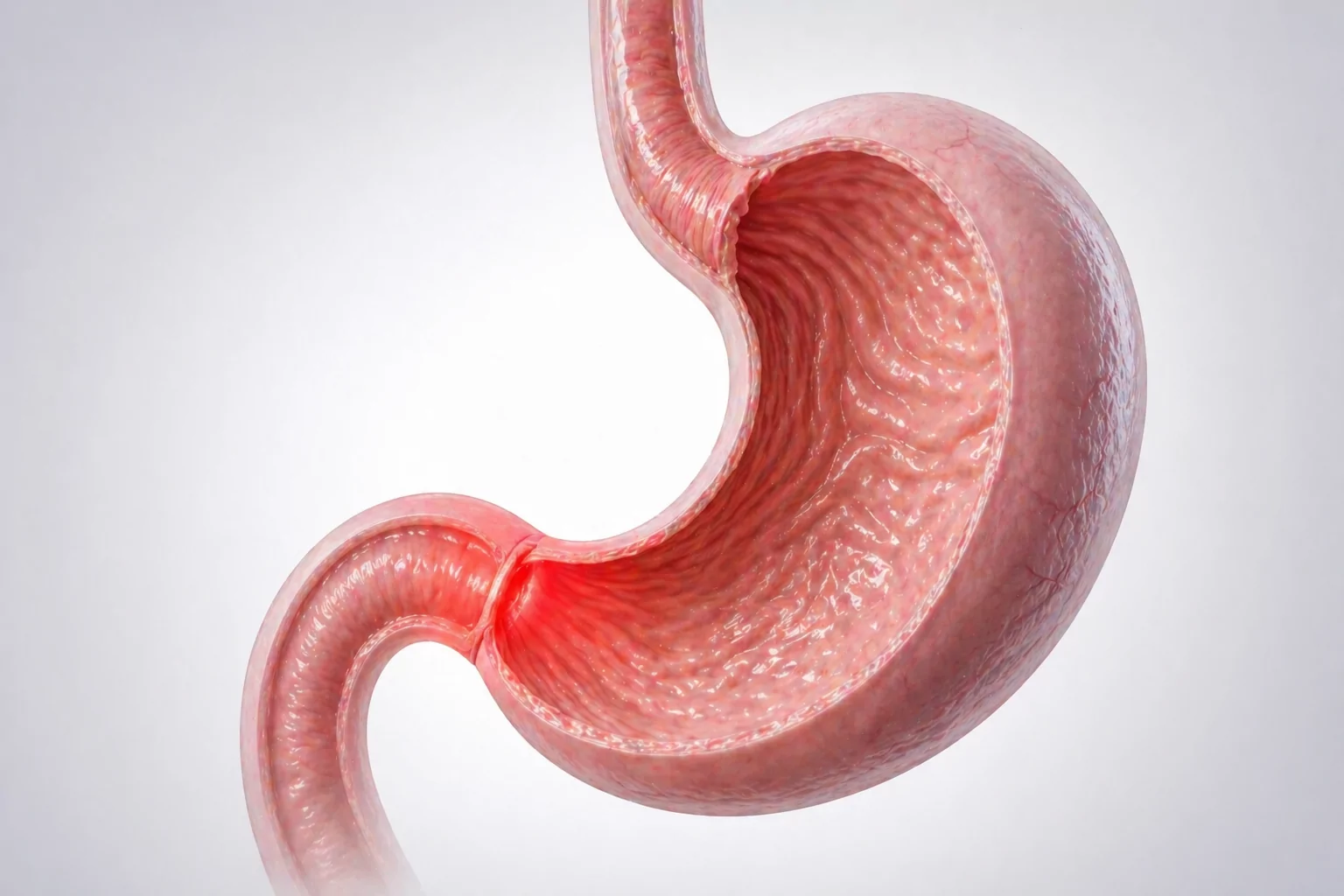
    Hypertrophic stenosis is a condition in which the pyloric muscle around the lower part of the stomach leading to the intestines becomes larger than normal. This causes the outlet of the stomach to become narrow, making it difficult for the stomach to empty its contents into the intestines.

    Hypertrophic pyloric stenosis is a pediatric disorder that occurs between the ages of two weeks and five months. It is more common in male children and full term infants are more likely to be affected than premature infants. The cause of hypertrophic pyloric stenosis is unknown.

    Symptoms of Hypertrophic Stenosis

    A child with this condition will show the following signs:

    • constipation or a decrease in bowel movements because food fails to reach the intestines.
    • failure to gain weight or weight loss.
    • excessive hunger.
    • dehydration as evidenced by fewer wet diapers than normal for the baby or a decrease in urinating, crying without tears and weakness or fatigue.
    • yellowing of the eyes.

    The cardinal sign of hypertrophic stenosis is projectile vomiting, where the infant vomits forcefully about 30 minutes after eating. The contents of the vomit may travel up to 30 feet away from the child. It may start off as spitting up which eventually increases in frequency and intensity. Vomiting occurs after a meal and along with the initial food contents eaten, there may be blood in the vomit. Wave-like motions may be seen on the stomach after an episode of vomiting.

    Hypertrophic Stenosis Treatment

    Initial medical management of hypertrophic pyloric stenosis is focused rehydrating the infant. Corrective surgery then follows once the child is sufficiently hydrated. The surgical procedure for this disorder is called pyloromyotomy and is aimed at reducing the size of the pyloric muscle.

    Pyloromyotomy may be done by making an open incision around the infants navel to visualize and work on the enlarged pyloric muscle or by inserting a laparoscope (a viewing instrument which has small surgical instruments and a laser attached to it) into a little incision made near the infant’s navel. The laparoscopic procedure leaves a smaller scar and is as safe and effective as the open procedure.

    What to Expect After Treatment

    The pyloric muscle returns to its normal size about 12 weeks after surgery. Some vomiting will occur postoperatively but should stop after about 48 hours. Symptoms of hypertrophic pyloric stenosis are usually absent 24 hours after surgery and postoperative complications that may occur include a leak in the intestines or stomach due to perforation, infection of the incisions and persistent vomiting.

    Share. Facebook Twitter Pinterest LinkedIn Tumblr Email
    Previous ArticleAnemia: Serious or Minor Illness?
    Next Article Hair Loss
    Dr. Laura Bennett

    Dr. Laura Bennett is a health writer with a background in biomedical sciences. She focuses on explaining medical conditions, human physiology, and public health topics in a clear, evidence-based, and reader-friendly way.

    Related Posts

    Weight Training Increases Arterial Stiffness

    April 23, 2026

    How To Stop the Heartburn

    April 23, 2026

    Beating Asthma

    April 23, 2026
    Leave A Reply Cancel Reply

    • Facebook
    • Twitter
    • Instagram
    • Pinterest
    About
    About

    Your source for the lifestyle news. This demo is crafted specifically to exhibit the use of the theme as a lifestyle site. Visit our main page for more demos.

    We're social, connect with us:

    Facebook X (Twitter) Pinterest LinkedIn VKontakte
    From Flickr
    Ascend
    terns
    casual
    riders on the storm
    chairman
    mood
    monument
    liquid cancer
    blue
    basement
    ditch
    stars
    Copyright © 2017. Designed by ThemeSphere.
    • Home
    • Prevention, Immunity & Public Health
    • Sleep, Recovery & Hormones
    • Mental Health & Emotional Well-Being
    • Buy Now

    Type above and press Enter to search. Press Esc to cancel.