

Close Menu
    Facebook X (Twitter) Instagram
    Friday, April 24
    • Demos
    • Prevention, Immunity & Public Health
    • Nutrition & Healthy Eating
    • Buy Now
    Facebook X (Twitter) LinkedIn VKontakte
    Health Secrets
    Banner
    • Home
    • Features
      • Example Post
      • Typography
      • Contact
      • View All On Demos
    • Prevention, Immunity & Public Health

      Screening for Severe Combined Immunodeficiency

      April 23, 2026

      5 Methods to Rejuvenate your Heart

      April 23, 2026

      Sunburn Can Lead to Sunstroke

      April 23, 2026

      Prevention of Winter Flu and Bacteria

      April 23, 2026

      Prevent West Nile Virus

      April 23, 2026
    • Typography
    • Medical Conditions & Diseases
      1. Prevention, Immunity & Public Health
      2. Weight Loss & Metabolism
      3. Lifestyle, Habits & Wellness
      4. View All

      Screening for Severe Combined Immunodeficiency

      April 23, 2026

      5 Methods to Rejuvenate your Heart

      April 23, 2026

      Sunburn Can Lead to Sunstroke

      April 23, 2026

      Prevention of Winter Flu and Bacteria

      April 23, 2026

      Caffeine and Fat Loss

      April 23, 2026

      Watery Vegs and Calories Dropping

      April 23, 2026

      Green Tea for Weigth Loss

      April 23, 2026

      Fat as a Factor for Satiety

      April 23, 2026

      The Benefits of Live Shows

      April 23, 2026

      Let the Sun Shine!

      April 23, 2026

      Brush Your Teeth to Beat Heart Disease

      April 23, 2026

      Laugh to Prevent Heart Diseases

      April 23, 2026

      Weight Training Increases Arterial Stiffness

      April 23, 2026

      How To Stop the Heartburn

      April 23, 2026

      Beating Asthma

      April 23, 2026

      Dry Scalp Diseases and Treatments

      April 23, 2026
    • Buy Now
    Health Secrets
    Home ยป Antidiuretic Hormone
    Anatomy, Physiology & How the Body Works

    Antidiuretic Hormone

    Dr. Laura BennettBy Dr. Laura BennettApril 23, 2026No Comments3 Mins Read
    Facebook Twitter Pinterest LinkedIn Tumblr Email
    Share
    Facebook Twitter LinkedIn Pinterest Email

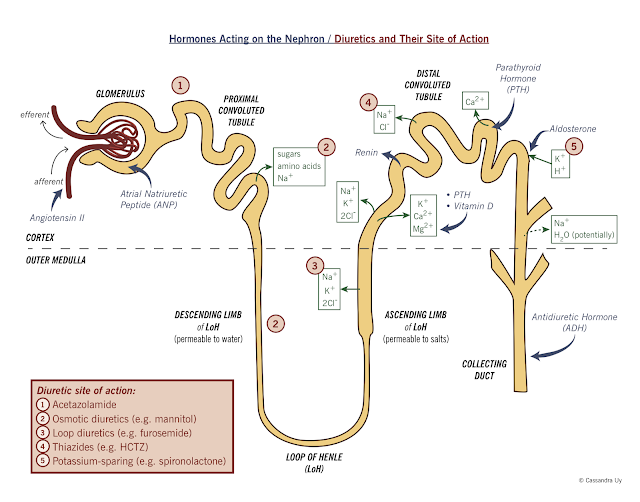
    Antidiuretic hormone (ADH), also known as vasopressin, is an endocrine hormone that helps maintain water balance in the body. Triggered by dehydration, ADH is produced by the posterior portion of the pituitary gland and stimulates the kidneys to reabsorb water from the collecting ducts. This hormone also constricts the blood vessels to prevent the blood pressure from getting too low.

    In some cases, an individual may have a dysfunction with ADH. This involves one of two conditions, both of which are described below.

    antidiuretic hormone

    Diabetes Insipidus

    Diabetes insipidus (DI) refers to the inadequate function of ADH. This may occur due to lowered production of ADH by the pituitary gland (central DI) or lack of response to ADH by the kidneys (nephrogenic DI). A variety of pathological processes in the pituitary gland can cause central DI, most commonly tumors in the brain or pituitary gland, surgery of the brain or pituitary gland, or head trauma. In contrast, nephrogenic DI is often the result of lithium toxicity or various kidney diseases.

    Whatever the cause and pathophysiology may be, DI is characterized by excessive urination (polyuria), sometimes during the night (nocturia), and frequent consumption of water due to ongoing thirst (polydipsia). The diagnosis of DI involves a series of laboratory tests, mainly the osmolality of the urine and blood. Patients with DI have very dilute urine (< 200 milliosmoles per kilogram) and very concentrated blood (> 287 milliosmoles per kilogram) because water is not reabsorbed back into the blood by the kidneys. In some cases, magnetic resonance imaging (MRI) of the brain and pituitary gland can help confirm central DI.

    The treatment of central DI is replacement of the deficient hormone using vasopressin analogues, such as desmopressin (DDAVP). Other drugs, including but not limited to chlorpropamide and indomethacin, can be useful for nephrogenic DI.

    Syndrome of Inappropriate Secretion of Antidiuretic Hormone

    The syndrome of inappropriate secretion of antidiuretic hormone (SIADH) involves the excessive production of ADH beyond necessary physiological requirements. A number of stimuli are implicated in SIADH, such as trauma, surgery, infections, various drugs, and even tumors that constantly secrete ADH (e.g., small cell carcinoma of the lung).

    SIADH itself generally does not directly produce symptoms. However, patients with SIADH may experience symptoms such as lethargy, fatigue, and nausea as a result of low blood sodium (hyponatremia), a consequence of SIADH. A patient history may also suggest conditions that would lead to SIADH. To confirm the diagnosis, urine and blood tests should demonstrate low serum osmolality and high urine osmolality, provided that conditions similar to SIADH are ruled out.

    Besides addressing the underlying cause, if possible, the treatment of SIADH involves a combination of methods to remove excess water from the body. They include restriction of water intake, diuretics to increase urination (along with electrolytes to replete those lost through diuresis), and vasopressin antagonists such as demeclocycline. For hyponatremia, measures to raise serum sodium, such as intravenous saline, may be helpful. All of these interventions must take volume status (hypovolemia, euvolemia, or hypervolemia) into account and be done gradually to avoid complications from rapid correction.

    Share. Facebook Twitter Pinterest LinkedIn Tumblr Email
    Previous ArticleHow Scientists Studied Cell Phones & the Brain
    Next Article Genetic Testing
    Dr. Laura Bennett

    Dr. Laura Bennett is a health writer with a background in biomedical sciences. She focuses on explaining medical conditions, human physiology, and public health topics in a clear, evidence-based, and reader-friendly way.

    Related Posts

    Pectorals Anatomy

    April 23, 2026

    Interesting Fact About Our Body at Night

    April 23, 2026

    Blood Type

    April 23, 2026
    Leave A Reply Cancel Reply

    • Facebook
    • Twitter
    • Instagram
    • Pinterest
    About
    About

    Your source for the lifestyle news. This demo is crafted specifically to exhibit the use of the theme as a lifestyle site. Visit our main page for more demos.

    We're social, connect with us:

    Facebook X (Twitter) Pinterest LinkedIn VKontakte
    From Flickr
    Ascend
    terns
    casual
    riders on the storm
    chairman
    mood
    monument
    liquid cancer
    blue
    basement
    ditch
    stars
    Copyright © 2017. Designed by ThemeSphere.
    • Home
    • Prevention, Immunity & Public Health
    • Sleep, Recovery & Hormones
    • Mental Health & Emotional Well-Being
    • Buy Now

    Type above and press Enter to search. Press Esc to cancel.