

Close Menu
    Facebook X (Twitter) Instagram
    Friday, April 24
    • Demos
    • Prevention, Immunity & Public Health
    • Nutrition & Healthy Eating
    • Buy Now
    Facebook X (Twitter) LinkedIn VKontakte
    Health Secrets
    Banner
    • Home
    • Features
      • Example Post
      • Typography
      • Contact
      • View All On Demos
    • Prevention, Immunity & Public Health

      Screening for Severe Combined Immunodeficiency

      April 23, 2026

      5 Methods to Rejuvenate your Heart

      April 23, 2026

      Sunburn Can Lead to Sunstroke

      April 23, 2026

      Prevention of Winter Flu and Bacteria

      April 23, 2026

      Prevent West Nile Virus

      April 23, 2026
    • Typography
    • Medical Conditions & Diseases
      1. Prevention, Immunity & Public Health
      2. Weight Loss & Metabolism
      3. Lifestyle, Habits & Wellness
      4. View All

      Screening for Severe Combined Immunodeficiency

      April 23, 2026

      5 Methods to Rejuvenate your Heart

      April 23, 2026

      Sunburn Can Lead to Sunstroke

      April 23, 2026

      Prevention of Winter Flu and Bacteria

      April 23, 2026

      Caffeine and Fat Loss

      April 23, 2026

      Watery Vegs and Calories Dropping

      April 23, 2026

      Green Tea for Weigth Loss

      April 23, 2026

      Fat as a Factor for Satiety

      April 23, 2026

      The Benefits of Live Shows

      April 23, 2026

      Let the Sun Shine!

      April 23, 2026

      Brush Your Teeth to Beat Heart Disease

      April 23, 2026

      Laugh to Prevent Heart Diseases

      April 23, 2026

      Weight Training Increases Arterial Stiffness

      April 23, 2026

      How To Stop the Heartburn

      April 23, 2026

      Beating Asthma

      April 23, 2026

      Dry Scalp Diseases and Treatments

      April 23, 2026
    • Buy Now
    Health Secrets
    Home ยป Celiac Artery Compression Syndrome – Symptoms
    Medical Conditions & Diseases

    Celiac Artery Compression Syndrome – Symptoms

    Dr. Laura BennettBy Dr. Laura BennettApril 23, 2026No Comments2 Mins Read
    Facebook Twitter Pinterest LinkedIn Tumblr Email
    Share
    Facebook Twitter LinkedIn Pinterest Email
    celiac artery compression syndrome

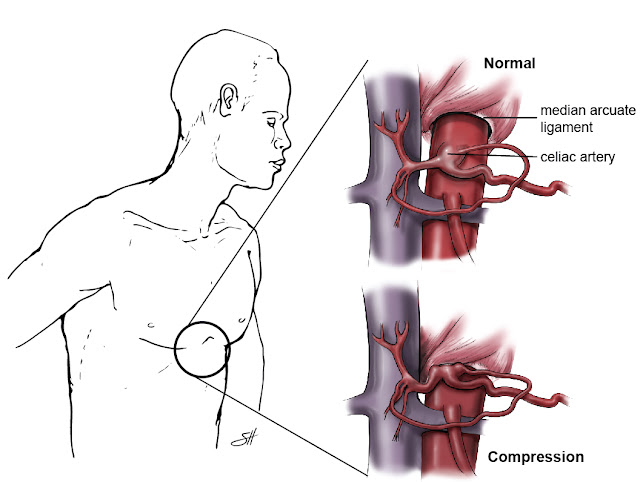
    Celiac artery compression syndrome is a rare abdominal disorder that goes by many names, including celiac axis syndrome, median arcuate ligament syndrome and Dunbar syndrome. The celiac artery runs from the stomach along the border of the small intestine, providing blood flow to these areas. It can become compressed by the median arcuate ligament that is attached to the diaphragm. When this happens, blood flow to the abdomen may be decreased when patients breathe out.

    Unexplained weight loss and abdominal pain

    Two symptoms are most commonly associated with CACS:

    • abdominal pain after meals
    • weight loss

    The most common symptom associated with CACS is abdominal pain after eating. Many patients experience severe pain in the upper abdomen after a large meal, though small meals may also cause problems. Some people report that the pain worsens when they breathe out. Patients experiencing severe pain after eating often begin avoiding meals or cutting back on food to prevent this problem. According to Dr. Sherry Scovell in UpToDate.com, this often results in significant weight loss, sometimes more than 20 pounds for some people. Some CACS patients also report nausea and vomiting after a meal that may contribute to weight loss.

    One sign of CACS found when the patient is examined by a health care provider is a turbulent blood vessel in the abdomen known as a bruit. This can be found by listening to the abdomen with a stethoscope.

    Treatment of CACS

    According to Okkes Kirahan in an article on CACS, surgery is the first-line treatment. The median arcuate ligament is divided to release pressure on the celiac artery. Dr. Scovell reports about 81% of patients are cured of their abdominal pain and 67% are able to regain lost weight after surgery. However, surgery does not always fix the problem. People most likely to respond to surgery are:

    • between 40 and 60 years old
    • have abdominal pain after eating
    • have lost more than 20 pounds due to CACS

    Although diagnosis of CACS may be difficult, patients should discuss any unusual symptoms with their healthcare provider. Anyone experiencing unexplained weight loss or abdominal pain should schedule an appointment for evaluation.

    Share. Facebook Twitter Pinterest LinkedIn Tumblr Email
    Previous ArticleDysphagia – Symptoms and Treatment
    Next Article Anaemia and Neurological Symptoms of Vitamin B12 Deficiency
    Dr. Laura Bennett

    Dr. Laura Bennett is a health writer with a background in biomedical sciences. She focuses on explaining medical conditions, human physiology, and public health topics in a clear, evidence-based, and reader-friendly way.

    Related Posts

    Weight Training Increases Arterial Stiffness

    April 23, 2026

    How To Stop the Heartburn

    April 23, 2026

    Beating Asthma

    April 23, 2026
    Leave A Reply Cancel Reply

    • Facebook
    • Twitter
    • Instagram
    • Pinterest
    About
    About

    Your source for the lifestyle news. This demo is crafted specifically to exhibit the use of the theme as a lifestyle site. Visit our main page for more demos.

    We're social, connect with us:

    Facebook X (Twitter) Pinterest LinkedIn VKontakte
    From Flickr
    Ascend
    terns
    casual
    riders on the storm
    chairman
    mood
    monument
    liquid cancer
    blue
    basement
    ditch
    stars
    Copyright © 2017. Designed by ThemeSphere.
    • Home
    • Prevention, Immunity & Public Health
    • Sleep, Recovery & Hormones
    • Mental Health & Emotional Well-Being
    • Buy Now

    Type above and press Enter to search. Press Esc to cancel.