

Close Menu
    Facebook X (Twitter) Instagram
    Saturday, April 25
    • Demos
    • Prevention, Immunity & Public Health
    • Nutrition & Healthy Eating
    • Buy Now
    Facebook X (Twitter) LinkedIn VKontakte
    Health Secrets
    Banner
    • Home
    • Features
      • Example Post
      • Typography
      • Contact
      • View All On Demos
    • Prevention, Immunity & Public Health

      Screening for Severe Combined Immunodeficiency

      April 23, 2026

      5 Methods to Rejuvenate your Heart

      April 23, 2026

      Sunburn Can Lead to Sunstroke

      April 23, 2026

      Prevention of Winter Flu and Bacteria

      April 23, 2026

      Prevent West Nile Virus

      April 23, 2026
    • Typography
    • Medical Conditions & Diseases
      1. Prevention, Immunity & Public Health
      2. Weight Loss & Metabolism
      3. Lifestyle, Habits & Wellness
      4. View All

      Screening for Severe Combined Immunodeficiency

      April 23, 2026

      5 Methods to Rejuvenate your Heart

      April 23, 2026

      Sunburn Can Lead to Sunstroke

      April 23, 2026

      Prevention of Winter Flu and Bacteria

      April 23, 2026

      Caffeine and Fat Loss

      April 23, 2026

      Watery Vegs and Calories Dropping

      April 23, 2026

      Green Tea for Weigth Loss

      April 23, 2026

      Fat as a Factor for Satiety

      April 23, 2026

      The Benefits of Live Shows

      April 23, 2026

      Let the Sun Shine!

      April 23, 2026

      Brush Your Teeth to Beat Heart Disease

      April 23, 2026

      Laugh to Prevent Heart Diseases

      April 23, 2026

      Weight Training Increases Arterial Stiffness

      April 23, 2026

      How To Stop the Heartburn

      April 23, 2026

      Beating Asthma

      April 23, 2026

      Dry Scalp Diseases and Treatments

      April 23, 2026
    • Buy Now
    Health Secrets
    Home ยป Dysphagia – Symptoms and Treatment
    Medical Conditions & Diseases

    Dysphagia – Symptoms and Treatment

    Dr. Laura BennettBy Dr. Laura BennettApril 23, 2026No Comments3 Mins Read
    Facebook Twitter Pinterest LinkedIn Tumblr Email
    Share
    Facebook Twitter LinkedIn Pinterest Email
    dysphagia

    The danger of swallowing disorders is that they can lead to aspiration pneumonia and poor nutrition. Both conditions contribute to declining health and increased length of hospital stays. Symptoms of difficulty swallowing include:

    • coughing
    • choking
    • food “sticking in the throat”
    • drooling
    • nasal drainage while eating
    • weight loss
    • fever from pneumonia

    The Diagnosis of Dysphagia

    When the above symptoms are noted by physicians, nurses or therapy staff, a speech-language pathologist (SLP) is consulted. Patients hospitalized for neurological disorders such as stroke, brain injury, Parkinsonism, or ALS likely are on the SLP caseload.
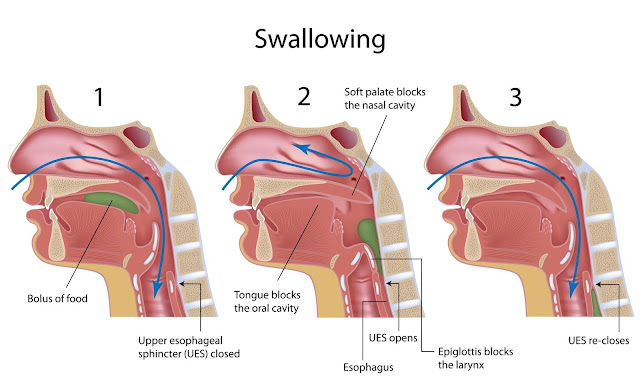
    Swallowing requires timely and effective coordination of many muscles. When these do not operate efficiently, ingested substances can enter the airway and endanger patient health.

    After the referral, an evaluation takes place. The SLP offers different food textures to assess difficulty swallowing them separately. Liquids, pudding, crumbling foods such as crackers and sometimes more complex foods containing mixed textures are introduced. The SLP assesses the patient’s ability to:

    • chew (masticate) food thoroughly
    • clear food from pockets in the mouth
    • form a bolus (food ball)
    • use the tongue to project the bolus toward the pharynx
    • maintain timeliness and coordination of oral and pharyngeal movements to keep food on track
    • maintain timeliness of elevation of the larynx (Adam’s apple area)
    • clear residual food from pockets around the airway (valecula)
    • move the epiglottis to cover the airway
    • effect travel of the ingested material down the esophagus

    Assessments begin at bedside with behavioral observations. In addition to bedside evaluation, the SLP can perform tests such as a modified barium swallow study (MBSS) or a fiberoptic endoscopy study (FEES). The MBSS uses barium, a white substance that shows up on X-ray, indicating the path of ingested material. The FEES uses a camera above the vocal cords and color-tinted food, so the SLP can assess efficiency of food transfer.

    These tests also help determine whether there is “silent aspiration.” Liquids especially can penetrate into the airway, without coughing, in serious cases of impairment. When patients say they have no trouble at all with liquids, there can still be a dangerous problem.

    Treatment of Swallowing Disorders

    After determining the nature of the problem, several approaches may come into play. With silent aspiration, or in very severe cases of dysphagia where management is not immediately possible, feeding tubes may be necessary. A nasogastric tube (from the nose to the stomach) or a PEG (percutaneous endoscopic gastrostomy) tube may be placed to provide nutrition until the patient’s condition improves.

    The following treatments may be appropriate for specific patients:

    • Diet: easy to chew if oral problems occur
    • Thickened liquids when thin consistencies are difficult to manage
    • Sit upright for at least 20 minutes after ingesting anything
    • Small bites and sips to make it easier to manage
    • Slowed intake
    • Provide assistance when needed, especially if the patient is fatigued
    • Oral exercises to increase strength and range of motion (ROM) of the tongue
    • Lip strengthening exercises to improve lip seal and avoid leakage
    • Exercises to increase laryngeal strength

    Swallowing Improvement

    The good news is that swallowing often improves with therapy. This depends on the nature and severity of impairment. It is important to report these symptoms to one’s physician and to follow recommendations. Avoiding aspiration pneumonia also means avoiding severe health complications.

    Share. Facebook Twitter Pinterest LinkedIn Tumblr Email
    Previous ArticleStye – Symptoms and Treatment
    Next Article Celiac Artery Compression Syndrome – Symptoms
    Dr. Laura Bennett

    Dr. Laura Bennett is a health writer with a background in biomedical sciences. She focuses on explaining medical conditions, human physiology, and public health topics in a clear, evidence-based, and reader-friendly way.

    Related Posts

    Weight Training Increases Arterial Stiffness

    April 23, 2026

    How To Stop the Heartburn

    April 23, 2026

    Beating Asthma

    April 23, 2026
    Leave A Reply Cancel Reply

    • Facebook
    • Twitter
    • Instagram
    • Pinterest
    About
    About

    Your source for the lifestyle news. This demo is crafted specifically to exhibit the use of the theme as a lifestyle site. Visit our main page for more demos.

    We're social, connect with us:

    Facebook X (Twitter) Pinterest LinkedIn VKontakte
    From Flickr
    Ascend
    terns
    casual
    riders on the storm
    chairman
    mood
    monument
    liquid cancer
    blue
    basement
    ditch
    stars
    Copyright © 2017. Designed by ThemeSphere.
    • Home
    • Prevention, Immunity & Public Health
    • Sleep, Recovery & Hormones
    • Mental Health & Emotional Well-Being
    • Buy Now

    Type above and press Enter to search. Press Esc to cancel.