



Degenerative Disc Disease Diagnosis: What to Expect
Degenerative disc disease (DDD) is a common condition that affects the spine, often leading to chronic back or neck pain. Although the name may sound severe, it is not technically a disease but rather a natural process of spinal disc wear over time.
Getting an accurate diagnosis is essential, as many conditions can mimic similar symptoms. Consulting a qualified medical professional ensures proper evaluation and treatment planning.
Why Accurate Diagnosis Matters
Back pain can have many causes, including muscle strain, herniated discs, or arthritis. Without a proper diagnosis, treatment may not address the underlying issue.
If you’re experiencing ongoing discomfort, it’s helpful to understand common causes of back pain before assuming it is related to disc degeneration.
Initial Consultation and Medical History
The diagnostic process typically begins with a detailed discussion between the patient and healthcare provider. This includes:
- Description of symptoms (location, severity, duration)
- Medical history and previous injuries
- Lifestyle habits and activity levels
Even small details can help identify patterns. For example, pain that worsens in the morning may suggest inflammation, while pain during movement may indicate structural issues.
Physical Examination
After the initial discussion, a physical exam is performed. The doctor may:
- Apply pressure to the spine
- Assess range of motion
- Evaluate nerve function and reflexes
This step helps pinpoint the exact location of pain and identify possible nerve involvement.
Imaging Tests for Confirmation
If degenerative disc disease is suspected, imaging tests may be recommended to confirm the diagnosis. These include:
- X-rays
- MRI scans
- CT scans
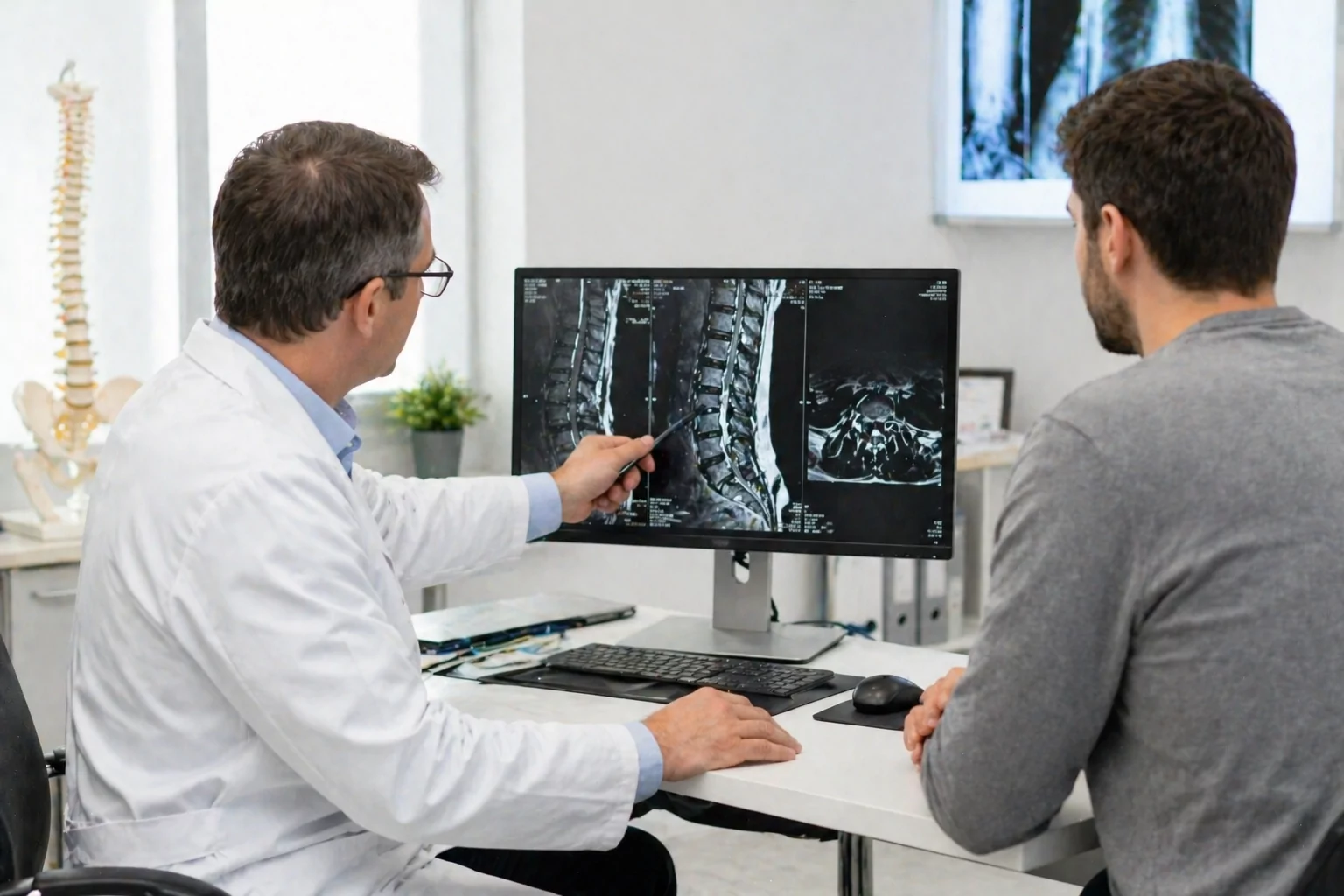
These diagnostic tools allow doctors to view the condition of spinal discs and surrounding structures. Learn more about how these scans work in this guide to medical imaging scans.
For additional clinical insight, the Cleveland Clinic explains degenerative disc disease diagnosis and treatment in detail.
Conditions That May Occur Alongside DDD
In some cases, degenerative disc disease may coexist with other spinal conditions, such as:
- Herniated discs
- Bone spurs
- Spinal arthritis
These conditions can contribute to pain and may require different treatment approaches. If symptoms are severe, surgical options like slipped disc surgery may be considered.
Treatment Options After Diagnosis

Once a diagnosis is confirmed, treatment usually starts with conservative approaches, including:
- Physical therapy
- Low-impact exercise
- Pain management strategies
- Anti-inflammatory medications
Non-surgical options are often effective. You can explore alternatives such as non-invasive back treatments if symptoms persist.
Surgery is typically considered only when other treatments fail to provide relief.
When to See a Doctor
You should seek medical advice if you experience:
- Persistent back or neck pain
- Numbness or tingling in the limbs
- Weakness in muscles
- Pain that interferes with daily activities
Early diagnosis can help prevent worsening symptoms and improve treatment outcomes.
Conclusion
Degenerative disc disease is a common condition, but diagnosing it correctly is key to managing symptoms effectively. A combination of medical history, physical examination, and imaging tests helps doctors determine the best course of action.
If you suspect you may have DDD, consulting a healthcare professional is the best first step toward relief and long-term spinal health.
Frequently Asked Questions
Degenerative disc disease refers to the gradual breakdown of spinal discs, which can lead to pain, stiffness, and reduced mobility.
Diagnosis typically includes a medical history review, physical examination, and imaging tests such as MRI or X-rays.
There is no cure, but symptoms can often be managed effectively with non-surgical treatments and lifestyle changes.
No, most cases are treated without surgery. Surgical intervention is usually considered only when conservative treatments fail.
Early symptoms may include mild back pain, stiffness, and discomfort that worsens with movement or prolonged sitting.
