


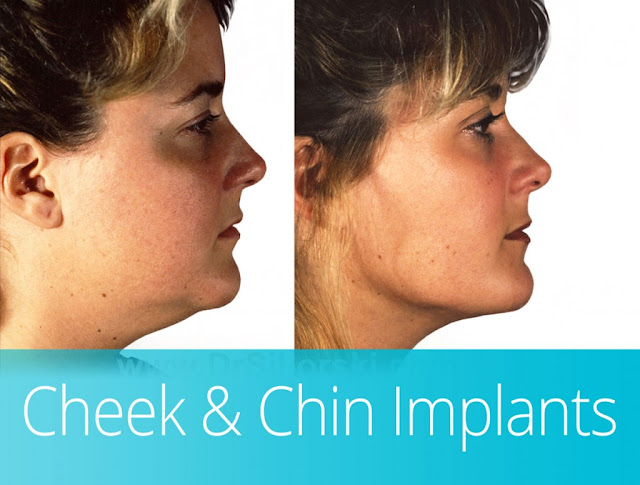
Facial augmentation procedures have become increasingly popular as more people seek to enhance facial balance and symmetry. Chin and cheek augmentation are two common treatments that can significantly improve facial proportions with relatively short recovery times.
These procedures are often performed on an outpatient basis, allowing patients to return home the same day.
What Is Chin Augmentation?
Chin augmentation is a cosmetic procedure designed to improve the shape, size, and projection of the chin. The goal is to create a balanced profile that complements the nose, lips, and cheeks.
In general:
- For women, the chin typically sits slightly behind the lower lip
- For men, it aligns with or slightly projects beyond the lower lip
However, these guidelines may vary depending on overall facial structure and features such as those addressed in nose reshaping procedures.
Chin Augmentation Techniques
- Implants: A silicone implant is inserted through an incision inside the mouth
- Bone repositioning: The chin bone is surgically adjusted for a more permanent structural change
Implants are less invasive, while bone repositioning requires more recovery time.
What Is Cheek Augmentation?
Cheek augmentation enhances the volume and contour of the cheekbones. This procedure has grown in popularity due to its ability to create a more youthful and defined facial appearance.
The ideal cheek projection is typically aligned with or slightly beyond the cornea of the eye, but this varies based on individual facial anatomy.
Cheek Augmentation Methods
- Implants placed through incisions inside the mouth
- Positioning tailored to achieve natural-looking results
As with chin augmentation, careful planning is essential to avoid overcorrection and maintain facial harmony.
Consultation with a Plastic Surgeon
A consultation is a critical step in determining the appropriate procedure, implant size, and expected results. Surgeons evaluate facial proportions and discuss patient goals.
Costs can vary significantly depending on the complexity of the procedure, surgeon expertise, and facility fees. It’s important to clarify all costs in advance.
According to cosmetic surgery guidelines, thorough consultation and realistic expectations are key to achieving satisfactory outcomes.
The Surgical Procedure
Chin and cheek augmentation procedures are typically performed in an outpatient clinic and take between one and two hours.
- Performed under local or general anesthesia
- Incisions are made inside the mouth to avoid visible scars
- Implants are placed and secured for desired contour
Patients are usually prescribed pain medication to manage post-operative discomfort, similar to recovery strategies discussed in day surgery preparation and recovery.
Recovery and Aftercare
Recovery time varies depending on the procedure performed. Most patients can return to normal routines within a couple of weeks.
- Initial swelling and discomfort for the first week
- Rest recommended during early recovery
- Avoid strenuous activity for 2–6 weeks
Managing swelling is important for healing, and techniques such as those in swelling reduction strategies may be helpful.
Risks and Considerations
As with any surgical procedure, there are risks involved, including infection, implant movement, or dissatisfaction with results.
Choosing a qualified and experienced surgeon significantly reduces these risks.
Conclusion
Chin and cheek augmentation can dramatically improve facial balance and confidence when performed correctly. Understanding the procedure, costs, and recovery process helps patients make informed decisions.
With proper planning and professional guidance, these procedures can deliver natural and long-lasting results.
Frequently Asked Questions
Chin augmentation is a procedure that enhances the shape and projection of the chin using implants or bone repositioning.
Most patients recover within 1–2 weeks, although swelling may take longer to fully subside.
Yes, implants are typically permanent, though results depend on proper placement and healing.
Initial results are visible right after surgery, but final outcomes appear after swelling decreases.
When performed by a qualified surgeon, chin and cheek augmentation are generally safe procedures.
