


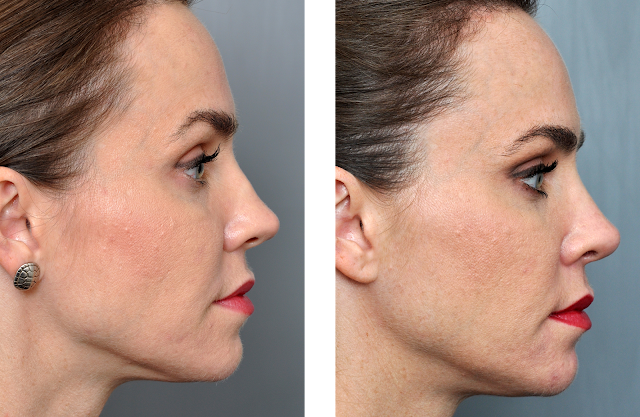
Rhinoplasty, commonly known as a “nose job,” is a surgical procedure designed to reshape or reconstruct the nose. It is often performed for cosmetic reasons, but it can also address functional issues such as breathing difficulties or injury-related deformities.
Understanding the procedure, its limitations, and the recovery process is essential before deciding to undergo rhinoplasty.
How Rhinoplasty Is Performed
There are two main surgical techniques used in rhinoplasty:
- Closed rhinoplasty: Incisions are made inside the nose, leaving no visible scars. This method is typically used for minor adjustments.
- Open rhinoplasty: A small incision is made between the nostrils, allowing the surgeon better access for more complex reshaping.
Both techniques aim to improve the structure and appearance of the nose while maintaining harmony with the rest of the face.
Who Can Benefit from Rhinoplasty?
Rhinoplasty is suitable for individuals whose nasal structure has fully developed, usually after adolescence. It may benefit:
- Adults seeking cosmetic improvement
- Patients with breathing issues
- Individuals with nasal injuries or congenital defects
In some cases, functional issues such as those discussed in sinus-related conditions may also be addressed during the procedure.
What Can Rhinoplasty Achieve?
A successful rhinoplasty can enhance facial symmetry and improve overall appearance. Even subtle changes can significantly boost confidence and self-image.
- Refining the nose shape and size
- Correcting asymmetry or bumps
- Improving nasal proportions
Many patients report psychological benefits following surgery, including improved self-esteem.
What Rhinoplasty Cannot Do
It is important to understand that rhinoplasty has limitations. Surgeons must work with existing nasal structures, and not all desired changes are achievable.
Setting realistic expectations and discussing goals thoroughly with your surgeon is critical for satisfaction with the results.
Anesthesia Used During Rhinoplasty
Rhinoplasty is typically performed under general anesthesia, although minor procedures may use local anesthesia combined with sedation.
This ensures patient comfort and safety throughout the procedure.
According to clinical guidance on rhinoplasty procedures, anesthesia choice depends on the complexity of the surgery and patient health.
Steps of the Procedure
A typical rhinoplasty involves several key steps:
- Making precise incisions
- Reshaping cartilage and bone
- Repositioning nasal structures if necessary
- Adding grafts to enhance support or structure
- Closing incisions with sutures
- Applying dressings to stabilize the nose
Advanced techniques may also incorporate approaches similar to minimally invasive surgical methods.
Recovery After Rhinoplasty
Recovery is a gradual process that requires patience and proper care. Immediately after surgery, patients may experience swelling, bruising, and discomfort.
- Swelling may last up to six weeks
- Bruising typically fades within 2–3 weeks
- Final results can take up to one year
Following post-operative care instructions, similar to day surgery recovery guidelines, helps ensure optimal healing.
Side Effects and Risks
Common side effects include:
- Swelling and bruising around the eyes
- Temporary numbness
- Mild pain or discomfort
As with any surgical procedure, there are risks, but choosing a qualified surgeon significantly reduces complications.
Conclusion
Rhinoplasty is a highly individualized procedure that can improve both appearance and function. While the results can be life-changing, it is important to fully understand the process, risks, and limitations.
Careful planning, realistic expectations, and proper aftercare are key to achieving the best possible outcome.
Frequently Asked Questions
Rhinoplasty is a surgical procedure used to reshape or reconstruct the nose for cosmetic or medical reasons.
Initial recovery takes a few weeks, but final results may take up to a year.
Patients may experience discomfort, but pain is usually manageable with medication.
Yes, functional rhinoplasty can correct structural issues that affect breathing.
Like any surgery, rhinoplasty carries risks such as swelling, infection, or complications, but these are generally rare.
