

Close Menu
    Facebook X (Twitter) Instagram
    Monday, May 18
    • Demos
    • Prevention, Immunity & Public Health
    • Nutrition & Healthy Eating
    • Buy Now
    Facebook X (Twitter) LinkedIn VKontakte
    Health Secrets
    Banner
    • Home
    • Features
      • Example Post
      • Typography
      • Contact
      • View All On Demos
    • Prevention, Immunity & Public Health

      Screening for Severe Combined Immunodeficiency

      April 23, 2026

      5 Methods to Rejuvenate your Heart

      April 23, 2026

      Sunburn Can Lead to Sunstroke

      April 23, 2026

      Prevention of Winter Flu and Bacteria

      April 23, 2026

      Prevent West Nile Virus

      April 23, 2026
    • Typography
    • Medical Conditions & Diseases
      1. Prevention, Immunity & Public Health
      2. Weight Loss & Metabolism
      3. Lifestyle, Habits & Wellness
      4. View All

      Screening for Severe Combined Immunodeficiency

      April 23, 2026

      5 Methods to Rejuvenate your Heart

      April 23, 2026

      Sunburn Can Lead to Sunstroke

      April 23, 2026

      Prevention of Winter Flu and Bacteria

      April 23, 2026

      Caffeine and Fat Loss

      April 23, 2026

      Watery Vegs and Calories Dropping

      April 23, 2026

      Green Tea for Weigth Loss

      April 23, 2026

      Fat as a Factor for Satiety

      April 23, 2026

      The Benefits of Live Shows

      April 23, 2026

      Let the Sun Shine!

      April 23, 2026

      Brush Your Teeth to Beat Heart Disease

      April 23, 2026

      Laugh to Prevent Heart Diseases

      April 23, 2026

      Weight Training Increases Arterial Stiffness

      April 23, 2026

      How To Stop the Heartburn

      April 23, 2026

      Beating Asthma

      April 23, 2026

      Dry Scalp Diseases and Treatments

      April 23, 2026
    • Buy Now
    Health Secrets
    Home » Minimally Invasive Spine Surgery FAQs
    Medical Treatments & Procedures

    Minimally Invasive Spine Surgery FAQs

    Dr. Laura BennettBy Dr. Laura BennettApril 23, 2026Updated:April 30, 2026No Comments4 Mins Read
    Facebook Twitter Pinterest LinkedIn Tumblr Email
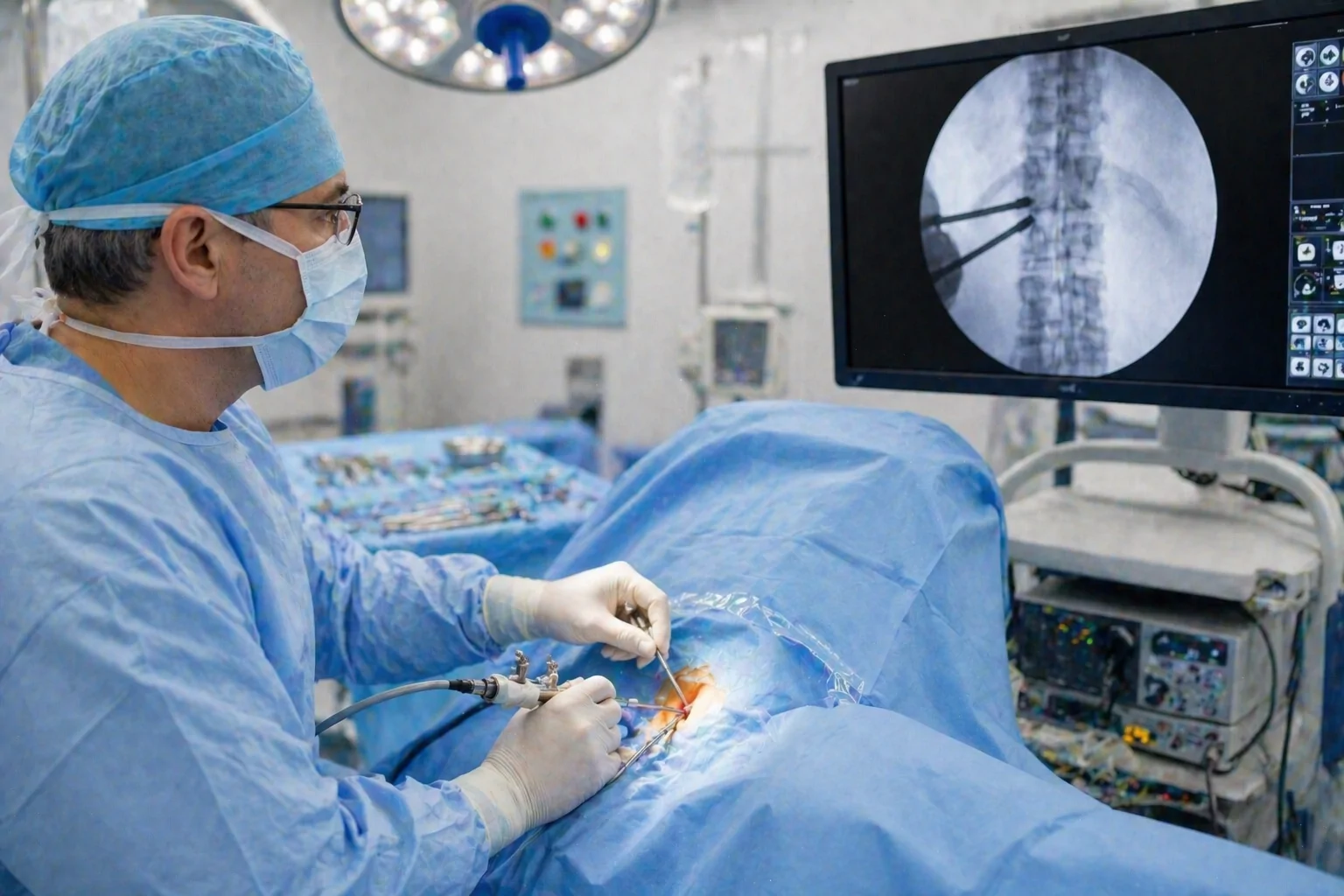
    minimally invasive spine surgery procedure in operating room
    Share
    Facebook Twitter LinkedIn Pinterest Email

    Minimally invasive spine surgery has become an increasingly popular option for treating chronic back and neck conditions. Compared to traditional open surgery, these advanced techniques often involve smaller incisions, reduced recovery time, and less overall discomfort.

    For patients who have not found relief through conservative treatments, this approach may offer an effective alternative.

    What Conditions Can Be Treated?

    Many spinal conditions that were once treated with open surgery can now be addressed using minimally invasive techniques. These include:

    • Spinal stenosis
    • Herniated or bulging discs
    • Degenerative disc disease
    • Spinal arthritis
    • Bone spurs

    If you want to better understand how degenerative conditions are identified, see this guide on degenerative disc disease diagnosis.

    Who Is a Candidate for Minimally Invasive Spine Surgery?

    This type of surgery is typically recommended for patients who:

    • Have persistent back or neck pain
    • Experience numbness, tingling, or weakness
    • Have not responded to non-surgical treatments

    Doctors often suggest trying conservative options first, such as physical therapy or non-surgical lumbar spine treatments, before considering surgery.

    How Is the Procedure Performed?

    Minimally invasive spine surgery uses specialized tools and techniques designed to reduce tissue damage. Common features include:

    • Small incisions (often less than one inch)
    • Use of a camera (endoscope) for precision
    • Insertion of tubular retractors to access the spine
    • Targeted removal of damaged tissue or bone

    These procedures are often performed on an outpatient basis, allowing patients to return home the same day.

    For a clinical overview, the Cleveland Clinic explains minimally invasive spine surgery and its benefits in detail.

    What Are the Risks?

    As with any surgical procedure, there are some risks involved. However, minimally invasive spine surgery generally has a lower risk profile compared to traditional open surgery.

    Possible risks include:

    • Infection
    • Bleeding
    • Nerve irritation or damage
    • Incomplete symptom relief

    Because the incisions are smaller, there is typically less tissue disruption, which may reduce complications and recovery time.

    What Happens After Surgery?

    Recovery after minimally invasive spine surgery is often quicker than with traditional procedures. Many patients notice improvements within weeks rather than months.

    After surgery, patients are usually advised to:

    • Rest and limit physical activity initially
    • Gradually return to normal movement
    • Follow post-operative care instructions carefully

    patient recovering from spine surgery with physical therapy
    Gradual movement helps support recovery after spine surgery.

    Following guidance similar to back surgery recovery tips can help ensure a smoother healing process.

    Recovery Time and Outcomes

    Most patients can return to light activities within a few days to weeks. Full recovery depends on the specific procedure and the individual’s overall health.

    Compared to traditional surgery, minimally invasive procedures often result in:

    • Shorter hospital stays
    • Less post-operative pain
    • Faster return to daily activities

    In some cases, procedures such as slipped disc surgery may still be necessary depending on the severity of the condition.

    Conclusion

    Minimally invasive spine surgery offers a modern solution for patients suffering from chronic spinal conditions. With reduced recovery time and fewer complications, it has become a preferred option for many individuals.

    Consulting a qualified specialist is essential to determine whether this approach is suitable for your condition and health goals.

    Frequently Asked Questions

    Is minimally invasive spine surgery safe?

    It is generally considered safe and may have fewer risks than traditional surgery, though outcomes depend on the individual and condition.

    How long does recovery take?

    Recovery time varies, but many patients return to light activities within a few weeks.

    Will I need physical therapy after surgery?

    Yes, physical therapy is often recommended to restore strength, mobility, and function.

    Is the procedure painful?

    Pain is usually less severe compared to open surgery, and discomfort is managed with medication.

    Can all spine conditions be treated this way?

    Not all conditions are suitable for minimally invasive techniques. A specialist can determine the best treatment option.

    Share. Facebook Twitter Pinterest LinkedIn Tumblr Email
    Previous ArticlePost Vasectomy Reversal Concerns
    Next Article Micro-Surgical Vasectomy Reversal
    Dr. Laura Bennett

    Dr. Laura Bennett is a health writer with a background in biomedical sciences. She focuses on explaining medical conditions, human physiology, and public health topics in a clear, evidence-based, and reader-friendly way.

    Related Posts

    Chin and Cheek Augmentation

    April 23, 2026

    Correct Lazy Eye in Babies

    April 23, 2026

    Complications of Refractive Clear Lens Extraction

    April 23, 2026
    Leave A Reply Cancel Reply

    • Facebook
    • Twitter
    • Instagram
    • Pinterest
    About
    About

    Your source for the lifestyle news. This demo is crafted specifically to exhibit the use of the theme as a lifestyle site. Visit our main page for more demos.

    We're social, connect with us:

    Facebook X (Twitter) Pinterest LinkedIn VKontakte
    From Flickr
    Ascend
    terns
    casual
    riders on the storm
    chairman
    mood
    monument
    liquid cancer
    blue
    basement
    ditch
    stars
    Copyright © 2017. Designed by ThemeSphere.
    • Home
    • Prevention, Immunity & Public Health
    • Sleep, Recovery & Hormones
    • Mental Health & Emotional Well-Being
    • Buy Now

    Type above and press Enter to search. Press Esc to cancel.