


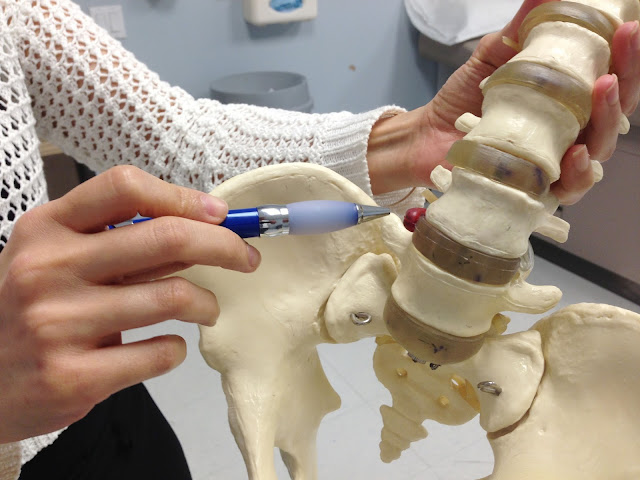
Most individuals diagnosed with lumbar degenerative disc disease (DDD) can find significant relief through non-surgical treatments. These conservative approaches focus on reducing pain, improving mobility, and supporting long-term spinal health without the need for invasive procedures.
Before starting treatment, it is important to understand how the condition is identified. You can learn more about degenerative disc disease diagnosis and evaluation methods.
Heat and Ice Therapy
Heat and ice applications are simple yet effective methods for managing DDD symptoms:
- Heat therapy: Improves blood flow, relaxes muscles, and increases flexibility
- Cold therapy: Reduces inflammation, swelling, and pain
Alternating between heat and cold can be especially helpful during flare-ups and may also help reduce swelling in affected areas.
Medications for Pain Relief
A variety of medications may be prescribed depending on the severity of symptoms:
- Acetaminophen for mild pain
- Non-steroidal anti-inflammatory drugs (NSAIDs) such as ibuprofen or naproxen
- Muscle relaxants for spasms
- Short-term use of stronger medications for severe pain
Patients should always consult a physician before using medications, as side effects and interactions must be considered. For safer alternatives, some patients explore non-opioid pain management strategies.
According to the NIH research on chronic low back pain treatments, combining medication with physical therapy often leads to better outcomes.
Epidural Steroid Injections
Epidural steroid injections (ESIs) are commonly used to treat persistent low back and leg pain. These injections deliver anti-inflammatory medication directly to the affected area.
- Target inflamed nerve roots
- Reduce swelling and irritation
- Provide temporary but effective pain relief
ESIs are typically performed under imaging guidance to ensure accuracy and safety.
Chiropractic Care
Chiropractic manipulation may provide relief for certain patients with lumbar DDD, particularly when nerve compression is not present.
- Reduces pressure on spinal structures
- Improves range of motion
- Relieves muscle tension
These adjustments may also stimulate natural pain-relieving mechanisms in the body.
Exercise and Physical Therapy
Exercise is one of the most effective long-term treatments for lumbar DDD. A structured program may include:
- Low-impact aerobic exercises such as walking, swimming, or cycling
- Stretching exercises to improve flexibility
- Strength training to support the spine
Regular activity improves circulation, supports spinal structures, and helps reduce pain over time. If symptoms persist despite therapy, options like spinal surgery may be evaluated.
Alternative Conservative Treatments
Additional therapies may complement traditional treatments:
- Massage therapy to improve circulation and reduce tension
- Acupuncture treatments for pain management
- Yoga or Pilates to enhance flexibility and strength
These approaches can be effective when combined with medical guidance and a structured exercise plan.
When Surgery May Be Considered
Surgery is generally reserved for patients who do not respond to conservative treatments after several months or who experience severe functional limitations.
In such cases, procedures discussed in minimally invasive spine surgery guides may be considered.
Conclusion
Non-surgical treatment options for lumbar degenerative disc disease are often highly effective. By combining therapies such as exercise, medication, and lifestyle changes, many patients can manage symptoms and maintain an active lifestyle.
Consulting a healthcare professional ensures a personalized approach that addresses your specific condition and needs.
Frequently Asked Questions
Yes, most cases can be effectively managed with non-surgical treatments such as exercise, medications, and physical therapy.
Low-impact exercises like walking, swimming, and stretching are commonly recommended to improve flexibility and strength.
They are generally safe when performed by qualified professionals and can provide temporary pain relief.
Improvement may occur within weeks, but consistent treatment is often required for long-term relief.
Surgery is typically considered when conservative treatments fail or symptoms significantly impact daily life.
