


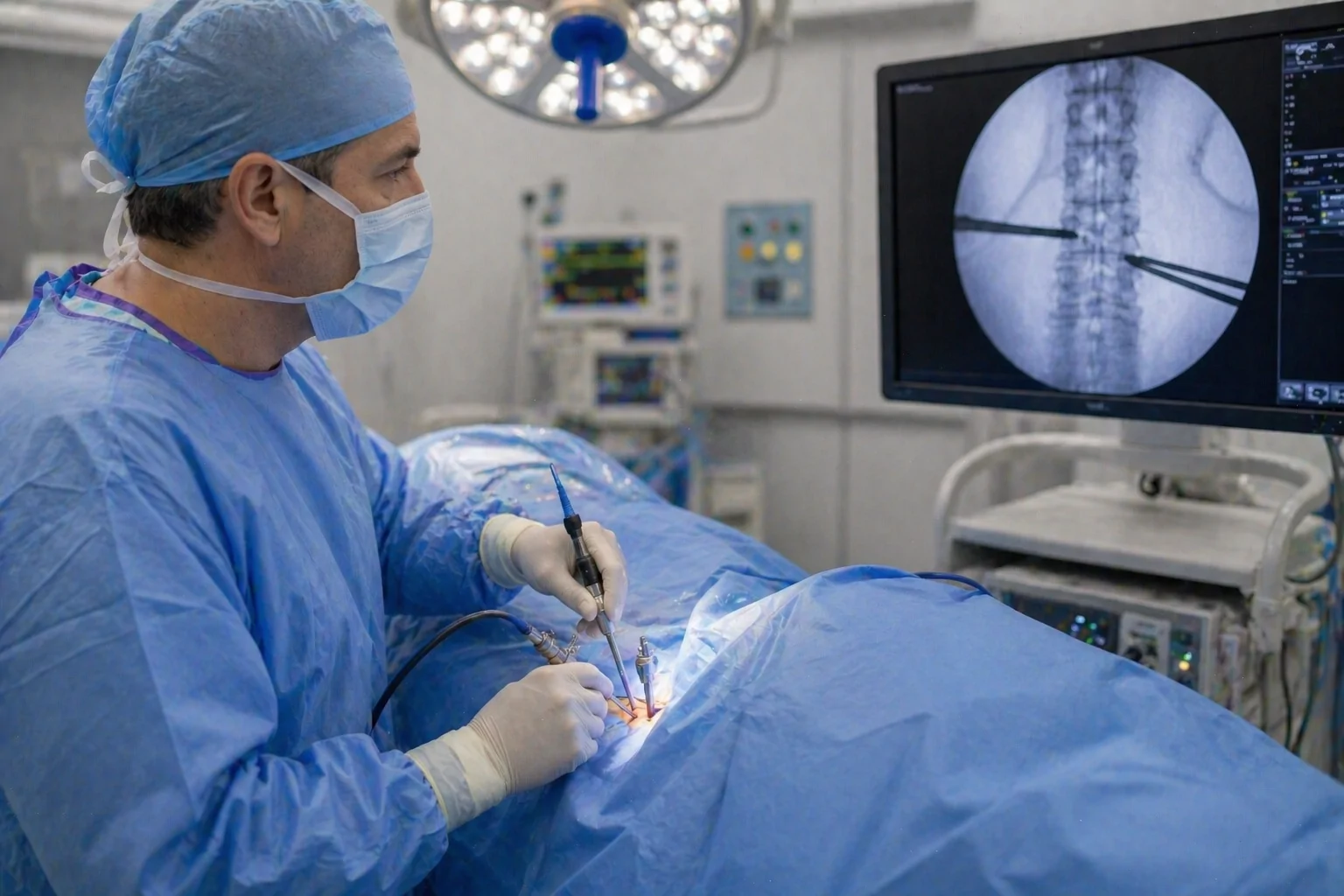
The idea of non-invasive back surgery may sound contradictory. Traditionally, surgery involves incisions and direct access to the body. However, modern medical advancements have introduced techniques that significantly reduce tissue damage, leading to what is often called minimally invasive spine surgery.
While not completely “non-invasive,” these procedures are far less disruptive than traditional open surgery and offer a safer, faster alternative for many patients.
Traditional Back Surgery vs. Modern Techniques
In the past, patients with chronic back pain who did not respond to conservative treatments often required open spine surgery. Procedures such as spinal fusion involved large incisions, muscle disruption, and extended hospital stays.
Understanding common causes of back pain is essential before considering surgical options.
These traditional methods, while effective in some cases, carry risks such as infection, blood clots, and prolonged recovery periods.
What Is Minimally Invasive Back Surgery?
Minimally invasive spine surgery uses advanced tools and techniques to treat spinal conditions through very small incisions. Instead of cutting through muscle, surgeons gently move tissue aside to access the spine.
Specialized instruments, including cameras and precision tools, allow surgeons to operate with minimal disruption. You can explore more details in this guide to minimally invasive spine surgery.
According to the Cleveland Clinic explanation of minimally invasive spine surgery, these procedures can reduce recovery time and lower complication risks.
How the Procedure Works
During minimally invasive surgery, a small incision—often less than an inch—is made. Through this opening, surgeons insert:
- Tubular retractors to create a pathway
- A camera for visualization
- Specialized tools for precise treatment
This approach allows surgeons to remove damaged tissue, relieve nerve pressure, or stabilize the spine with minimal trauma.
Benefits of Minimally Invasive Back Surgery
Compared to traditional surgery, minimally invasive techniques offer several advantages:
- Smaller incisions and minimal scarring
- Reduced blood loss
- Lower risk of infection
- Shorter hospital stays or outpatient treatment
- Faster recovery time
Recovery may still require care and attention, similar to post-back surgery recovery guidelines.
Who May Benefit From This Approach?
Many patients with spinal conditions may be candidates for minimally invasive procedures, including those with:
- Herniated discs
- Spinal stenosis
- Degenerative disc disease
- Chronic nerve compression
Before surgery, doctors typically recommend non-surgical treatments such as non-surgical lumbar spine therapy.
Risks and Considerations
Although minimally invasive surgery reduces many risks, it is not completely risk-free. Possible complications include:
- Infection
- Bleeding
- Nerve injury
- Incomplete symptom relief
Each case is different, so a thorough evaluation by a specialist is essential.
Conclusion
While truly non-invasive back surgery does not exist, minimally invasive techniques come very close. These advanced procedures offer a safer and more efficient alternative to traditional spine surgery for many patients.
If you are experiencing persistent back pain, consulting a qualified specialist can help determine whether minimally invasive surgery is the right option for you.
Frequently Asked Questions
There is no completely non-invasive spine surgery, but minimally invasive procedures come close by using small incisions and advanced tools.
Recovery is usually faster than traditional surgery, with many patients returning to normal activities within weeks.
It generally has fewer risks than open surgery, but safety depends on the patient’s condition and the surgeon’s experience.
Patients with conditions like herniated discs or spinal stenosis who have not responded to conservative treatment may qualify.
Yes, physical therapy is often recommended to restore strength and mobility after the procedure.
