


Micro-Surgical Vasectomy Reversal: What You Need to Know
Micro-surgical vasectomy reversal is one of the most advanced and preferred techniques for restoring fertility after a vasectomy. This modern procedure uses specialized tools and magnification to reconnect the vas deferens with high precision.
Compared to traditional methods, it offers smaller incisions, reduced discomfort, and faster recovery times.
What Is Micro-Surgical Vasectomy Reversal?
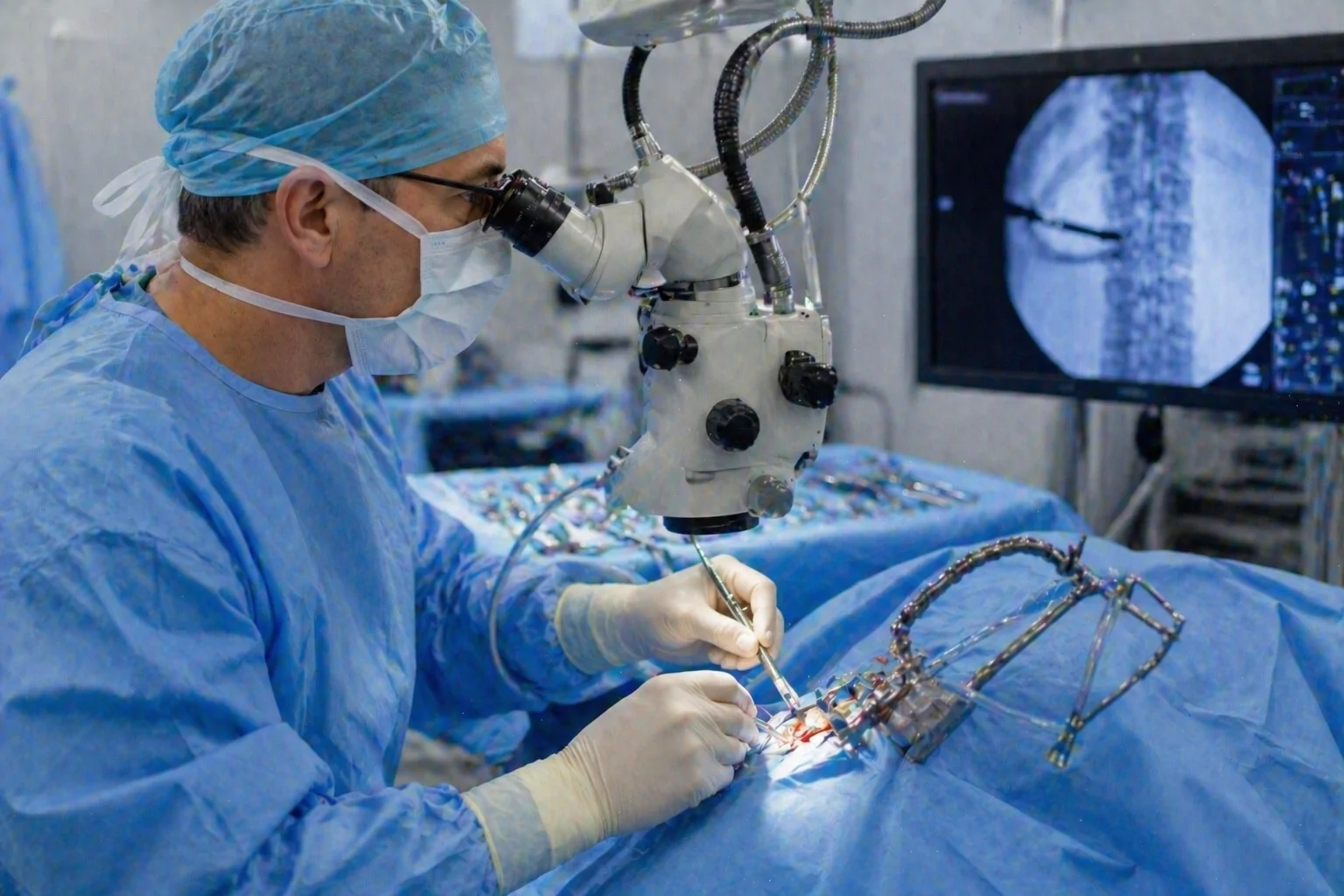
This technique involves using a high-powered microscope and very fine sutures to reconnect the severed ends of the vas deferens. Because of the precision involved, the procedure is often considered more effective than older surgical approaches.
If you want to understand concerns related to recovery, you can also read about post vasectomy reversal recovery issues.
Benefits of the Micro-Surgical Approach
Micro-surgical vasectomy reversal offers several advantages:
- Smaller incisions and minimal scarring
- Reduced bleeding and lower risk of infection
- Faster healing and recovery time
- Improved precision and success rates
Because the incision is very small, surrounding tissues experience less trauma, which can help minimize complications.
How the Procedure Is Performed
During the procedure, the surgeon makes a small incision to access the vas deferens. Using a microscope, the ends are carefully reconnected with extremely fine stitches.
The entire process is typically performed under local or general anesthesia and may take between one to three hours, depending on complexity.
For a clinical perspective, the Cleveland Clinic overview of vasectomy reversal explains how the procedure is performed and its outcomes.
Recovery and Healing Time

Although the incision is small, proper healing still takes time. Most patients are advised to:
- Rest for several days after surgery
- Avoid strenuous activity for a few weeks
- Delay sexual activity until fully healed
Complete healing may take 3 to 4 weeks, although light activities can often resume sooner.
Following post-surgery recovery guidelines can help improve healing and reduce complications.
Common Side Effects
Some temporary side effects may occur after surgery, including:
- Mild swelling or bruising
- Discomfort or soreness
- Itching during healing
If swelling becomes noticeable, strategies to reduce swelling may help, but medical advice should be sought if symptoms worsen.
Choosing the Right Surgeon
Not all surgeons specialize in micro-surgical vasectomy reversal. Choosing an experienced and qualified professional is essential for the best results.
Patients should verify credentials, experience, and success rates before proceeding with surgery.
Cost Considerations
The cost of micro-surgical vasectomy reversal can vary widely, typically ranging from $4,000 to $20,000. Factors that influence cost include:
- Surgeon experience
- Clinic or hospital location
- Procedure complexity
In many cases, insurance may not cover the procedure, making it an out-of-pocket expense.
Conclusion
Micro-surgical vasectomy reversal is a highly effective and precise method for restoring fertility. With smaller incisions, faster recovery, and improved outcomes, it has become the preferred option for many patients.
Consulting a qualified specialist is the best way to determine if this procedure is right for your situation.
Frequently Asked Questions
Yes, it is considered one of the most effective methods due to its precision and higher success rates compared to traditional techniques.
Initial recovery takes a few days, but full healing typically occurs within 3 to 4 weeks.
Most patients experience mild discomfort after surgery, which can be managed with medication.
Success varies depending on factors such as time since vasectomy and overall health, but many patients regain fertility.
In many cases, the procedure is not covered by insurance and must be paid out of pocket.
