


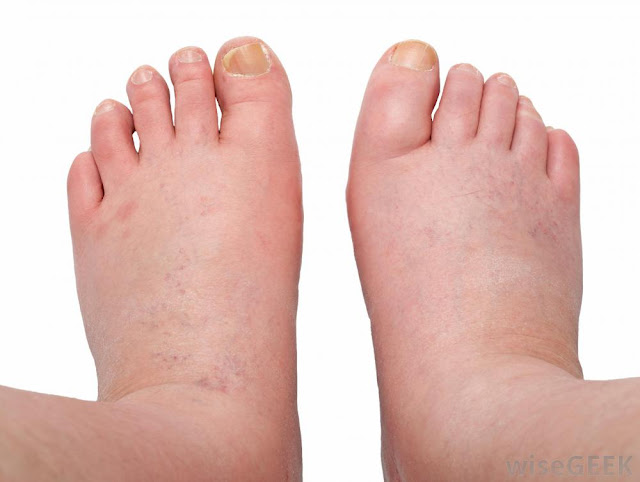
Swelling in the hands, ankles, and feet—also known as edema—is a common issue that can affect people of all ages. While it is often harmless and temporary, it can also indicate underlying health conditions if persistent. Fortunately, in most cases, swelling can be reduced with simple lifestyle adjustments.
Common Causes of Swelling
Swelling occurs when excess fluid builds up in the body’s tissues. Several everyday factors can contribute to this condition:
- Prolonged sitting or standing
- High sodium intake
- Dehydration
- Pregnancy or hormonal changes
- Medications
- Lack of physical activity
- Alcohol or caffeine consumption
In some cases, swelling may be related to broader health concerns such as blood pressure issues or circulation problems.
When to Be Concerned
Occasional swelling is usually not serious. However, if it becomes frequent, painful, or persistent, it’s important to consult a healthcare provider. Chronic swelling may indicate an underlying condition that requires medical evaluation.
According to medical guidance on edema, persistent swelling can sometimes be linked to heart, kidney, or liver conditions.
Effective Ways to Reduce Swelling
1. Reduce Sodium Intake
Excess salt causes the body to retain water. Lowering sodium intake by avoiding processed foods and reducing added salt can significantly decrease swelling.
2. Stay Hydrated
Drinking enough water helps the body flush out excess fluids. Aim for at least 6–8 glasses per day to maintain proper hydration.
3. Avoid Prolonged Sitting or Standing
Remaining in one position for too long can lead to fluid buildup in the lower extremities. Take breaks to move around or elevate your legs.
4. Elevate Affected Areas
Raising your feet or hands above heart level for short periods can improve circulation and reduce swelling.
5. Maintain a Healthy Diet
A nutrient-rich balanced diet supports overall health and prevents fluid retention. Include fruits, vegetables, and whole grains.
6. Limit Alcohol and Caffeine
Both alcohol and caffeine can contribute to dehydration and fluid imbalance, increasing swelling.
7. Exercise Regularly
Physical activity improves circulation and helps prevent fluid buildup. Even light exercise such as walking can make a difference.
8. Consider Diuretics (With Caution)
Diuretics help remove excess fluid from the body but should only be used under medical supervision, especially during pregnancy.
Additional Supportive Strategies
Incorporating simple habits into your daily routine can further improve circulation and reduce swelling:
- Wear comfortable, non-restrictive clothing
- Avoid extreme heat exposure
- Stretch regularly throughout the day
- Practice relaxation techniques to improve blood flow
For related lifestyle adjustments, you may also explore benefits of regular exercise and stress management strategies.
Conclusion
Swelling in the hands, ankles, and feet is often manageable with simple lifestyle changes. By staying hydrated, reducing sodium intake, and maintaining regular physical activity, most people can significantly reduce discomfort.
If swelling becomes persistent or severe, seeking medical advice is essential to rule out underlying conditions and ensure proper treatment.
Frequently Asked Questions
Swelling is usually caused by fluid retention due to factors like diet, inactivity, or underlying health conditions.
Occasional swelling is typically harmless, but persistent or severe swelling may indicate a medical issue.
Yes, proper hydration helps flush excess fluids and reduces fluid retention.
Yes, regular physical activity improves circulation and helps prevent fluid buildup.
If swelling is persistent, painful, or accompanied by other symptoms, consult a healthcare professional.
