

Close Menu
    Facebook X (Twitter) Instagram
    Monday, May 18
    • Demos
    • Prevention, Immunity & Public Health
    • Nutrition & Healthy Eating
    • Buy Now
    Facebook X (Twitter) LinkedIn VKontakte
    Health Secrets
    Banner
    • Home
    • Features
      • Example Post
      • Typography
      • Contact
      • View All On Demos
    • Prevention, Immunity & Public Health

      Screening for Severe Combined Immunodeficiency

      April 23, 2026

      5 Methods to Rejuvenate your Heart

      April 23, 2026

      Sunburn Can Lead to Sunstroke

      April 23, 2026

      Prevention of Winter Flu and Bacteria

      April 23, 2026

      Prevent West Nile Virus

      April 23, 2026
    • Typography
    • Medical Conditions & Diseases
      1. Prevention, Immunity & Public Health
      2. Weight Loss & Metabolism
      3. Lifestyle, Habits & Wellness
      4. View All

      Screening for Severe Combined Immunodeficiency

      April 23, 2026

      5 Methods to Rejuvenate your Heart

      April 23, 2026

      Sunburn Can Lead to Sunstroke

      April 23, 2026

      Prevention of Winter Flu and Bacteria

      April 23, 2026

      Caffeine and Fat Loss

      April 23, 2026

      Watery Vegs and Calories Dropping

      April 23, 2026

      Green Tea for Weigth Loss

      April 23, 2026

      Fat as a Factor for Satiety

      April 23, 2026

      The Benefits of Live Shows

      April 23, 2026

      Let the Sun Shine!

      April 23, 2026

      Brush Your Teeth to Beat Heart Disease

      April 23, 2026

      Laugh to Prevent Heart Diseases

      April 23, 2026

      Weight Training Increases Arterial Stiffness

      April 23, 2026

      How To Stop the Heartburn

      April 23, 2026

      Beating Asthma

      April 23, 2026

      Dry Scalp Diseases and Treatments

      April 23, 2026
    • Buy Now
    Health Secrets
    Home » 10 Tips For Day Surgery Procedure Patients
    Medical Treatments & Procedures

    10 Tips For Day Surgery Procedure Patients

    Dr. Laura BennettBy Dr. Laura BennettApril 23, 2026Updated:May 1, 2026No Comments4 Mins Read
    Facebook Twitter Pinterest LinkedIn Tumblr Email
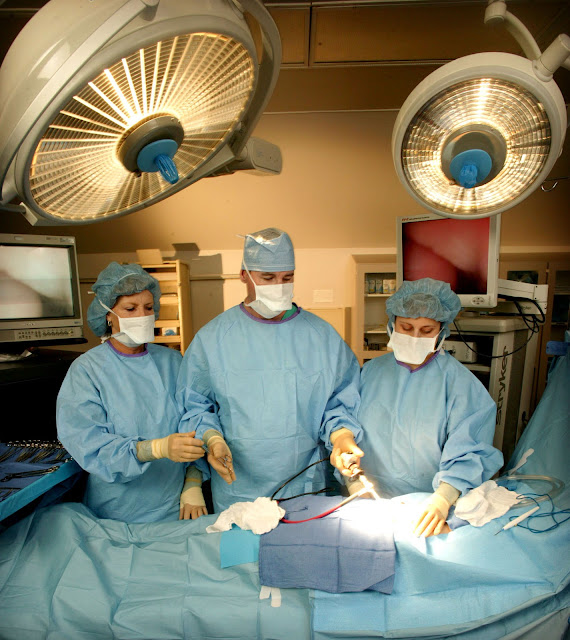
    day surgery procedure
    Share
    Facebook Twitter LinkedIn Pinterest Email

    Day surgery allows patients to undergo a procedure and return home the same day. While convenient, it requires proper preparation and awareness to ensure safety and a smooth recovery. Following these essential tips can help minimize risks and improve your overall experience.

    1. Understand Your Surgery Instructions

    Always read and follow the pre-surgery instructions provided by your hospital or doctor. These guidelines are critical for ensuring your safety and avoiding delays.

    Being well-informed can also reduce anxiety and improve outcomes, similar to preparation strategies used in post-surgical recovery planning.

    2. Bring Necessary X-Rays and Scans

    Ensure that all relevant imaging, such as X-rays or MRI scans, are brought with you. Without these, your procedure may be delayed or canceled.

    You can learn more about imaging procedures in medical imaging scans.

    3. Follow Fasting Guidelines Strictly

    Fasting before surgery is essential to prevent complications during anesthesia. Avoid all food and drink, including gum and lozenges, as instructed.

    If you accidentally eat or drink, inform medical staff immediately.

    According to anesthesia safety recommendations, proper fasting significantly reduces the risk of serious complications.

    4. Manage Medications Carefully

    Follow your doctor’s instructions regarding medications. Some may need to be paused before surgery, especially blood thinners.

    • Bring a list of current medications
    • Inform staff of allergies
    • Discuss any recent medication changes

    Patients with conditions like diabetes must receive specific guidance on insulin or medication adjustments.

    5. Provide Important Medical Information

    Prepare key details to share with your healthcare team:

    • Current medications and dosages
    • Known allergies
    • Emergency contact information
    • Recent symptoms or concerns

    This ensures your safety throughout the procedure and recovery.

    6. Prepare Vision and Hearing Aids

    If you wear glasses, contact lenses, or hearing aids, bring protective cases. These items are typically removed before surgery but are important for communication and comfort before and after the procedure.

    7. Dental Considerations

    Dentures or dental appliances should be discussed with your anesthetist. In some cases, they may remain in place, while in others they will need to be removed.

    Always inform staff of loose teeth or dental concerns.

    8. Personal Hygiene and Clothing

    Shower on the day of surgery and follow any special hygiene instructions. Wear loose, comfortable clothing for easy changing after the procedure.

    • Avoid makeup and nail polish
    • Do not wear jewelry or piercings
    • Use pads instead of tampons if applicable

    9. Limit Personal Belongings

    Bring only essential items to the hospital. Avoid carrying valuables, as they cannot be safely stored during surgery.

    Hospital staff will communicate with your designated contact regarding discharge timing.

    10. Be Flexible With Discharge Timing

    Discharge times can vary depending on how your body responds to the procedure and anesthesia. Avoid scheduling strict commitments on the same day.

    Recovery timelines can differ, similar to expectations discussed in post-surgery recovery guidelines.

    Conclusion

    Preparing for day surgery involves careful planning, clear communication, and following medical advice. By taking these steps seriously, you can reduce stress, avoid complications, and support a faster recovery.

    A well-prepared patient plays an important role in ensuring a safe and successful surgical experience.

    Frequently Asked Questions

    What is day surgery?

    Day surgery is a procedure where patients are admitted, treated, and discharged on the same day.

    Why is fasting important before surgery?

    Fasting reduces the risk of complications during anesthesia, including aspiration.

    Can I take my medications before surgery?

    Some medications can be taken with a small sip of water, but always follow your doctor’s instructions.

    How long does recovery take after day surgery?

    Recovery varies depending on the procedure, but most patients return to normal activities within a few days.

    What should I bring to day surgery?

    Bring identification, medical information, necessary documents, and minimal personal items.

    Share. Facebook Twitter Pinterest LinkedIn Tumblr Email
    Previous ArticleTips to Reduce Swelling in Hands, Ankles and Feet
    Next Article Recovering From Back Surgery – Healing Safely from Back Surgery
    Dr. Laura Bennett

    Dr. Laura Bennett is a health writer with a background in biomedical sciences. She focuses on explaining medical conditions, human physiology, and public health topics in a clear, evidence-based, and reader-friendly way.

    Related Posts

    Chin and Cheek Augmentation

    April 23, 2026

    Correct Lazy Eye in Babies

    April 23, 2026

    Complications of Refractive Clear Lens Extraction

    April 23, 2026
    Leave A Reply Cancel Reply

    • Facebook
    • Twitter
    • Instagram
    • Pinterest
    About
    About

    Your source for the lifestyle news. This demo is crafted specifically to exhibit the use of the theme as a lifestyle site. Visit our main page for more demos.

    We're social, connect with us:

    Facebook X (Twitter) Pinterest LinkedIn VKontakte
    From Flickr
    Ascend
    terns
    casual
    riders on the storm
    chairman
    mood
    monument
    liquid cancer
    blue
    basement
    ditch
    stars
    Copyright © 2017. Designed by ThemeSphere.
    • Home
    • Prevention, Immunity & Public Health
    • Sleep, Recovery & Hormones
    • Mental Health & Emotional Well-Being
    • Buy Now

    Type above and press Enter to search. Press Esc to cancel.