


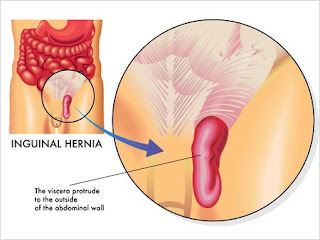
Hernias do not heal on their own and typically require surgical repair. One of the most common types is the inguinal hernia, where tissue pushes through a weak spot in the abdominal wall near the groin. While the procedure itself is relatively quick, recovery plays a crucial role in long-term success.
Understanding what to expect after surgery can help you recover faster and avoid complications.
What Happens During Hernia Surgery?
Hernia repair is usually performed as a day surgery procedure. The surgeon repositions the protruding tissue and reinforces the abdominal wall, often using a mesh for added strength.
Modern techniques, including those discussed in minimally invasive procedures, allow for smaller incisions and quicker recovery times.
Pain and Swelling After Surgery
It is normal to experience discomfort in the first few days after surgery. Pain is usually managed with prescribed medications, and mild swelling around the incision site is common.
- Incision pain and tenderness
- Swelling in the groin area
- Temporary bruising or tightness
To help reduce swelling, proper rest and positioning are important. You can also explore methods to reduce swelling naturally.
According to hernia repair recovery guidelines, most patients resume light activities within a few days but should avoid heavy lifting for several weeks.
Activity Restrictions and Movement
One of the most important aspects of recovery is limiting strain on the abdominal muscles. Heavy lifting and intense physical activity should be avoided for at least 4 weeks.
However, gentle movement is encouraged:
- Take short walks to improve circulation
- Avoid prolonged bed rest
- Use your arms and legs when standing up instead of your core
These strategies help prevent stiffness and support healing. Similar recovery principles apply in back surgery recovery, where gradual movement is key.
Stiffness and Healing Sensations
As the incision heals, it may feel tight or stiff. You may also experience a pulling sensation when standing or walking. This is a normal part of the healing process.
Moving slowly and carefully helps the body adjust while minimizing discomfort. Over time, flexibility will return as tissues heal.
Bowel Movement Challenges
Digestive issues are common after hernia surgery, especially due to pain medications and reduced activity levels. Constipation can occur if not managed properly.
To support healthy digestion:
- Drink plenty of water
- Eat fiber-rich foods
- Walk regularly to stimulate bowel movement
Avoid straining during bowel movements, as this can put pressure on the surgical site. If digestive discomfort persists, you may find helpful guidance in digestive health tips.
When to Seek Medical Attention
While most recoveries are smooth, certain symptoms require immediate medical attention:
- Severe or worsening pain
- Nausea or vomiting
- Signs of infection (redness, fever, discharge)
- Sudden swelling or bulging at the surgical site
These could indicate complications such as infection or recurrence.
Recovery Timeline
Recovery varies depending on the individual and the type of surgery performed, but general timelines include:
- First few days: rest and pain management
- 1–2 weeks: return to light daily activities
- 4–6 weeks: gradual return to normal physical activity
Conclusion
Recovering from hernia surgery requires patience, proper care, and attention to your body’s signals. By managing pain, staying active within limits, and supporting digestion, most patients experience a smooth and successful recovery.
Following medical advice and avoiding strain during the healing period significantly reduces the risk of recurrence and helps you return to normal life safely.
Frequently Asked Questions
Most patients recover within 4 to 6 weeks, although light activities can usually resume within a few days.
Yes, mild to moderate pain and swelling are common during the first few days and can be managed with medication.
Strenuous exercise should be avoided for at least 4 weeks. Light walking is encouraged early in recovery.
Fiber-rich foods, fruits, vegetables, and plenty of water help prevent constipation and support healing.
Signs include severe pain, fever, swelling, nausea, or discharge from the incision site. These require immediate medical attention.
