

Close Menu
    Facebook X (Twitter) Instagram
    Tuesday, May 12
    • Demos
    • Prevention, Immunity & Public Health
    • Nutrition & Healthy Eating
    • Buy Now
    Facebook X (Twitter) LinkedIn VKontakte
    Health Secrets
    Banner
    • Home
    • Features
      • Example Post
      • Typography
      • Contact
      • View All On Demos
    • Prevention, Immunity & Public Health

      Screening for Severe Combined Immunodeficiency

      April 23, 2026

      5 Methods to Rejuvenate your Heart

      April 23, 2026

      Sunburn Can Lead to Sunstroke

      April 23, 2026

      Prevention of Winter Flu and Bacteria

      April 23, 2026

      Prevent West Nile Virus

      April 23, 2026
    • Typography
    • Medical Conditions & Diseases
      1. Prevention, Immunity & Public Health
      2. Weight Loss & Metabolism
      3. Lifestyle, Habits & Wellness
      4. View All

      Screening for Severe Combined Immunodeficiency

      April 23, 2026

      5 Methods to Rejuvenate your Heart

      April 23, 2026

      Sunburn Can Lead to Sunstroke

      April 23, 2026

      Prevention of Winter Flu and Bacteria

      April 23, 2026

      Caffeine and Fat Loss

      April 23, 2026

      Watery Vegs and Calories Dropping

      April 23, 2026

      Green Tea for Weigth Loss

      April 23, 2026

      Fat as a Factor for Satiety

      April 23, 2026

      The Benefits of Live Shows

      April 23, 2026

      Let the Sun Shine!

      April 23, 2026

      Brush Your Teeth to Beat Heart Disease

      April 23, 2026

      Laugh to Prevent Heart Diseases

      April 23, 2026

      Weight Training Increases Arterial Stiffness

      April 23, 2026

      How To Stop the Heartburn

      April 23, 2026

      Beating Asthma

      April 23, 2026

      Dry Scalp Diseases and Treatments

      April 23, 2026
    • Buy Now
    Health Secrets
    Home ยป Correct Lazy Eye in Babies
    Medical Treatments & Procedures

    Correct Lazy Eye in Babies

    Dr. Laura BennettBy Dr. Laura BennettApril 23, 2026Updated:May 1, 2026No Comments3 Mins Read
    Facebook Twitter Pinterest LinkedIn Tumblr Email
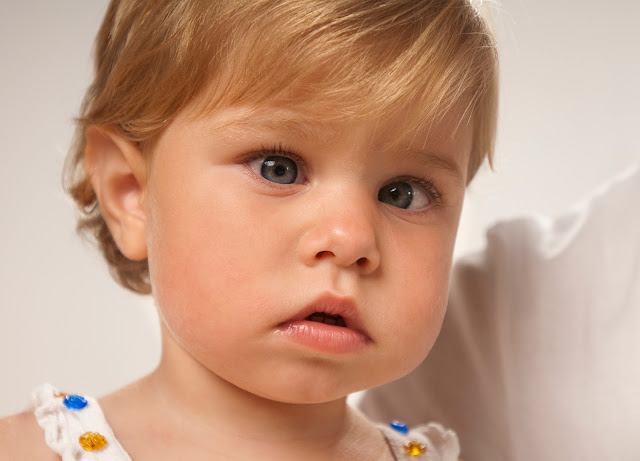
    lazy eye babies
    Share
    Facebook Twitter LinkedIn Pinterest Email

    Lazy eye, medically known as amblyopia, is a common vision condition in infants and young children. It occurs when one eye does not develop proper vision, often because the brain favors the stronger eye.

    Early diagnosis and treatment are critical. If left untreated, amblyopia can lead to permanent vision loss in the affected eye.

    What Causes Lazy Eye in Babies?

    Lazy eye develops when the brain and eyes are not working together properly. Instead of processing images from both eyes equally, the brain relies more on one eye.

    This can lead to:

    • Weak vision in one eye
    • Eye misalignment (crossed or wandering eye)
    • Poor depth perception

    Underlying causes may include refractive errors, muscle imbalance, or conditions similar to those discussed in brain and vision coordination.

    Why Early Treatment Is Important

    Amblyopia affects approximately 3% of children. The earlier treatment begins, the better the chances of restoring normal vision.

    According to guidance on amblyopia, early intervention significantly improves visual outcomes in children.

    Using Eyeglasses for Treatment

    Corrective lenses are often the first step in treating lazy eye, especially when caused by vision problems such as:

    • Farsightedness
    • Nearsightedness
    • Astigmatism

    Special lenses may blur the stronger eye slightly, encouraging the brain to rely on the weaker eye. Over time, this strengthens vision and improves coordination.

    Eye Patching Therapy

    Eye patching is one of the most effective treatments for amblyopia. A patch is placed over the stronger eye to force the child to use the weaker one.

    • Patches are typically worn for a few hours daily
    • Treatment duration ranges from weeks to months
    • Consistency is key for success

    This method works similarly to strengthening weak muscles through repeated use, much like recovery approaches in rehabilitation strategies.

    Challenges with Treatment

    Some children may resist wearing glasses or patches. Parents can help by:

    • Making treatment fun and rewarding
    • Using positive reinforcement
    • Maintaining a consistent routine

    Encouraging compliance is essential for effective results.

    When Surgery Is Needed

    Surgery may be recommended in more severe cases, especially when amblyopia is caused by structural issues such as cataracts or drooping eyelids.

    • Improves eye alignment
    • May enhance appearance
    • Does not always fully restore vision

    In some cases, surgical intervention focuses on correcting alignment rather than improving vision, similar to procedures described in facial corrective surgeries.

    Recovery and Long-Term Outlook

    With early and consistent treatment, many children experience significant improvement in vision. However, ongoing monitoring is important to prevent recurrence.

    Parents should follow all medical recommendations and attend regular eye exams to track progress.

    Conclusion

    Lazy eye in babies is a treatable condition when identified early. Through methods such as eyeglasses, patching, and, in some cases, surgery, vision can be improved and long-term complications avoided.

    Awareness, early action, and consistent treatment are the keys to successful outcomes.

    Frequently Asked Questions

    What is lazy eye in babies?

    Lazy eye, or amblyopia, is a condition where one eye has weaker vision due to poor coordination with the brain.

    Can lazy eye be corrected?

    Yes, early treatment with glasses, patches, or surgery can significantly improve vision.

    How long does treatment take?

    Treatment can take weeks to months depending on severity and consistency.

    Is surgery always required?

    No, most cases are treated successfully with non-surgical methods like glasses and patching.

    What happens if lazy eye is untreated?

    Untreated amblyopia can lead to permanent vision loss in the affected eye.

    Share. Facebook Twitter Pinterest LinkedIn Tumblr Email
    Previous ArticleChin and Cheek Augmentation
    Next Article Complications of Refractive Clear Lens Extraction
    Dr. Laura Bennett

    Dr. Laura Bennett is a health writer with a background in biomedical sciences. She focuses on explaining medical conditions, human physiology, and public health topics in a clear, evidence-based, and reader-friendly way.

    Related Posts

    Chin and Cheek Augmentation

    April 23, 2026

    Complications of Refractive Clear Lens Extraction

    April 23, 2026

    Does Laser Treatment for Acne Work?

    April 23, 2026
    Leave A Reply Cancel Reply

    • Facebook
    • Twitter
    • Instagram
    • Pinterest
    About
    About

    Your source for the lifestyle news. This demo is crafted specifically to exhibit the use of the theme as a lifestyle site. Visit our main page for more demos.

    We're social, connect with us:

    Facebook X (Twitter) Pinterest LinkedIn VKontakte
    From Flickr
    Ascend
    terns
    casual
    riders on the storm
    chairman
    mood
    monument
    liquid cancer
    blue
    basement
    ditch
    stars
    Copyright © 2017. Designed by ThemeSphere.
    • Home
    • Prevention, Immunity & Public Health
    • Sleep, Recovery & Hormones
    • Mental Health & Emotional Well-Being
    • Buy Now

    Type above and press Enter to search. Press Esc to cancel.