


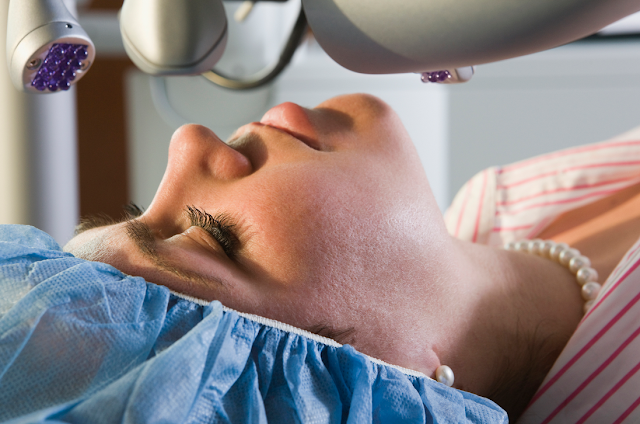
Refractive clear lens extraction (CLE) is a surgical procedure that replaces the eye’s natural lens with an artificial intraocular lens to improve vision. It is commonly used for severe nearsightedness or farsightedness and is similar to cataract surgery, except the natural lens is clear rather than cloudy.
While generally safe, it is important to understand the potential risks and complications associated with this procedure before making a decision.
How Clear Lens Extraction Works
The lens, along with the cornea, helps focus light onto the retina. When the lens does not function properly, vision becomes blurred.
Clear lens extraction replaces this lens to correct refractive errors. It is often considered when alternatives like glasses or procedures such as laser-based treatments are not suitable or effective.
For a broader understanding of diagnostic tools used in eye care, see medical imaging techniques.
Complication Rates and Safety
Cataract surgery, which is nearly identical to lens replacement, is one of the safest surgical procedures. Complication rates are generally low, often estimated around 2–5%.
According to clinical guidance on lens surgery safety, most complications are minor and treatable when detected early.
Common Post-Surgery Effects
After surgery, patients may experience mild and temporary symptoms:
- Discomfort or irritation
- Itching or dryness
- Swelling of the eyelids or cornea
- Increased eye pressure
These effects are typically managed with medication and resolve within a few days to weeks.
Serious Complications to Watch For
Retinal Detachment
In rare cases, the retina may detach from the back of the eye. Symptoms include a shadow or “curtain” across vision and require immediate medical attention.
Cystoid Macular Edema
This condition involves swelling in the central retina (macula), affecting detailed vision. It is usually treated with anti-inflammatory medications.
Dislocated Intraocular Lens
Blurred vision may indicate that the implanted lens has shifted. A follow-up procedure may be needed to reposition it.
Delaying correction can make repositioning more difficult due to scar tissue formation.
Retained Lens Material
Fragments of the original lens may remain in the eye, causing inflammation. Treatment may involve additional procedures to remove the material.
Infection and Bleeding Risks
Although rare, infection inside the eye (endophthalmitis) can occur. Symptoms include:
- Pain and redness
- Light sensitivity
- Reduced vision
Advancements in surgical techniques and sterile procedures have significantly reduced these risks.
Bleeding inside the eye is also uncommon but may be more likely in older patients or those with underlying conditions such as high blood pressure.
The Importance of Pre-Surgery Evaluation
A thorough evaluation before surgery is essential to minimize risks. Eye specialists assess overall eye health and identify conditions that could increase complication rates.
- Detailed eye examination
- Assessment of retina and cornea
- Evaluation of medical history
Proper screening ensures that patients are good candidates for the procedure.
When to Seek Medical Help
Patients should contact their doctor immediately if they experience:
- Sudden vision changes
- Severe pain or redness
- Flashes of light or floaters
Early intervention can prevent more serious complications and preserve vision.
Conclusion
Refractive clear lens extraction is a highly effective vision correction procedure with a strong safety profile. However, like any surgery, it carries risks that patients should understand.
By choosing an experienced ophthalmologist and following post-operative care instructions, most patients achieve excellent results with minimal complications.
Frequently Asked Questions
It is a surgical procedure that replaces the eye’s natural lens with an artificial one to improve vision.
Yes, it is generally safe, with low complication rates similar to cataract surgery.
Serious risks include retinal detachment, infection, and lens dislocation, though these are rare.
Most patients recover within a few weeks, with vision improving gradually.
If you experience sudden vision changes, pain, or light sensitivity, seek medical attention immediately.
