


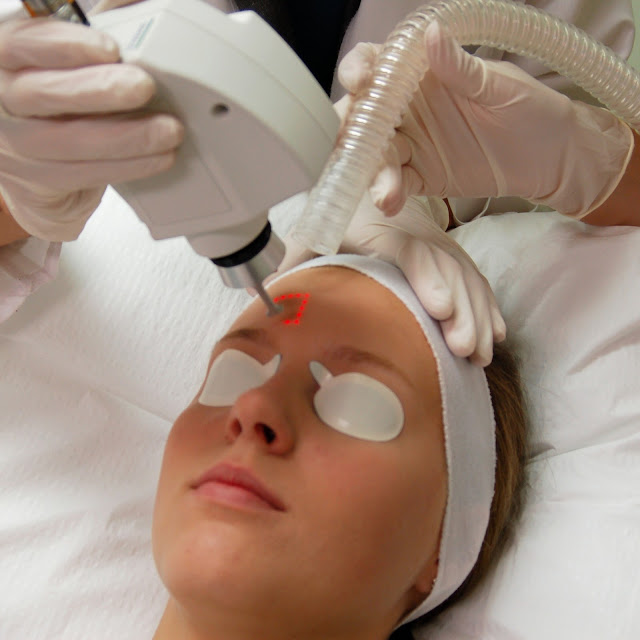
For individuals struggling with persistent acne that does not respond to medications or topical treatments, laser therapy offers a modern alternative. This advanced procedure is commonly performed on an outpatient basis and can help improve mild, moderate, and severe acne.
As highlighted in recent clinical insights :contentReference[oaicite:0]{index=0}, laser treatments are increasingly used when traditional options fail to deliver consistent results.
How Laser Treatment for Acne Works
Laser treatments target the underlying causes of acne rather than just surface symptoms. Different types of lasers may be used, but they generally work in two key ways:
- Destroying acne-causing bacteria on the skin
- Reducing the size and activity of sebaceous (oil-producing) glands
Excess oil production is a major contributor to clogged pores, blackheads, and whiteheads. By controlling oil and bacteria, laser treatments can significantly reduce breakouts.
For broader dermatological care approaches, you may also explore skin treatment solutions and managing skin irritation conditions.
Effectiveness of Laser Acne Treatments
Studies suggest that laser therapy can be more effective than many over-the-counter products. It not only helps clear existing acne but may also reduce future breakouts.
Unlike creams that require daily application, laser treatments offer longer-lasting results after a series of sessions.
According to clinical guidance on laser acne therapy, outcomes vary depending on skin type and acne severity, but many patients see noticeable improvement.
Is Laser Treatment Safe?
Laser acne treatment is generally considered safe when performed by a qualified professional. Most patients tolerate the procedure well, and serious complications are rare.
Many individuals undergo multiple sessions over several months without experiencing long-term side effects.
Safety protocols are similar to those used in other outpatient procedures such as day surgery treatments, where proper technique and patient selection are essential.
Common Side Effects
Like any cosmetic procedure, laser treatments can cause temporary side effects. These may include:
- Redness and mild swelling
- Sensitivity or soreness
- Shiny or tight skin
- Minor oozing or irritation
These symptoms usually resolve within a few days to a week, leaving clearer and smoother skin behind. Managing inflammation using methods like swelling reduction techniques may help during recovery.
Additional Benefits of Laser Treatment
Laser therapy offers more than just acne control. Many patients notice additional improvements, including:
- Reduced oiliness of the skin
- Smaller pore size
- Improvement in acne scars
- Smoother and more even skin texture
Some treatments are also used for fine lines and overall skin rejuvenation.
Choosing the Right Specialist
Selecting a qualified and experienced practitioner is crucial for achieving the best results. Patients should:
- Seek referrals from trusted healthcare providers
- Verify certifications and experience
- Review before-and-after results when available
A skilled specialist can tailor the treatment plan to your skin type and condition.
Is Laser Treatment Right for You?
Laser therapy is typically recommended for individuals with persistent or severe acne who have not responded to other treatments. However, it may not be necessary for mild cases.
Consultation with a dermatologist will help determine whether laser treatment is the best option based on your specific needs.
Conclusion
Laser treatment for acne is an effective and increasingly popular option for achieving clearer skin. By targeting the root causes of acne, it offers longer-lasting results compared to many traditional treatments.
While generally safe, it is important to understand potential side effects and choose a qualified professional. With the right approach, laser therapy can significantly improve both skin appearance and confidence.
Frequently Asked Questions
Laser treatment can significantly reduce acne, but maintenance sessions may be needed for long-term results.
Most patients need multiple sessions spaced weeks apart for optimal results.
Some discomfort may occur, but it is usually mild and well tolerated.
Risks are minimal but may include temporary redness, swelling, or irritation.
Individuals with persistent or moderate to severe acne who have not responded to other treatments are ideal candidates.
