


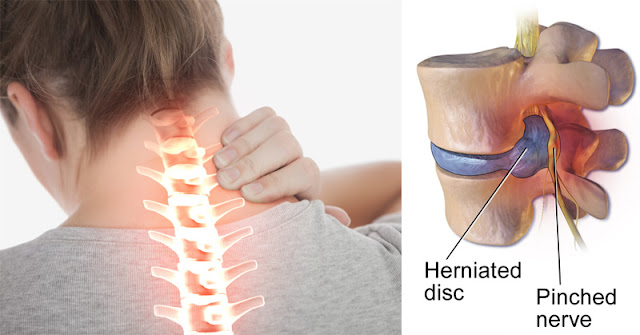
A slipped or herniated disc is a common spinal condition that may cause pain, discomfort, or even no symptoms at all. In many cases, rest and medication are enough to resolve the issue within several weeks. However, for a small percentage of patients, surgery becomes necessary.
What Is a Spinal Disc?
Spinal discs are flexible, cushion-like structures located between the vertebrae. They act as shock absorbers, helping the spine withstand movement and pressure during daily activities.
Each disc consists of:
- A tough outer layer (annulus fibrosus)
- A soft, gel-like center (nucleus pulposus)
The spine contains 23 discs, supported by muscles, ligaments, and nerves that work together to provide stability and flexibility.
What Causes Disc Degeneration?
As we age, spinal discs naturally lose water content, becoming less flexible and more prone to damage. Several factors can increase the risk of disc degeneration:
- Aging and natural wear and tear
- Heavy lifting or physical strain
- Poor posture or prolonged sitting
- Smoking and excess body weight
- Genetic predisposition
Understanding these causes can help reduce risk, especially when combined with lifestyle adjustments and awareness of common causes of back pain.
What Is a Slipped or Herniated Disc?
A herniated disc occurs when the outer layer tears, allowing the inner material to bulge outward. This can press on nearby nerves, leading to pain and other symptoms.
Lower back (lumbar) herniations are more common than those in the upper spine. Although the term “slipped disc” is widely used, discs do not actually slip out of place.
Symptoms of a Slipped Disc
Symptoms vary depending on the location and severity of the herniation. Some individuals may have no symptoms, while others experience severe discomfort.
- Pain in the lower back, buttocks, or legs (sciatica)
- Numbness or tingling in limbs
- Muscle weakness
- Difficulty sitting, standing, or walking
Severe cases may interfere with daily activities and mobility.
How Is a Slipped Disc Diagnosed?
Diagnosis typically begins with a physical examination, including tests for reflexes, muscle strength, and movement.
If symptoms persist, imaging tests may be required. These can include X-rays to rule out fractures and advanced scans such as MRI for detailed visualization. You can learn more about these techniques in medical imaging scans.
According to research on herniated discs and back pain, most cases improve without surgical intervention.
Treatment Options
Most slipped discs heal naturally with conservative treatment. Common approaches include:
- Bed rest for short periods
- Pain relief and anti-inflammatory medications
- Physical therapy and rehabilitation
- Posture correction and activity modification
In cases where symptoms persist or worsen, surgical options may be considered. Non-surgical approaches like lumbar degenerative disc treatments may also provide relief.
When Is Surgery Needed?
Surgery is usually recommended when:
- Pain does not improve after several weeks
- There is significant nerve compression
- Symptoms such as bowel or bladder dysfunction occur
For patients exploring surgical options, it may be helpful to review disc disease surgery treatments.
What Is a Discectomy?
A discectomy is a surgical procedure used to remove the damaged portion of a herniated disc. It is typically performed under general anesthesia and takes about 60 to 90 minutes.
During the procedure:
- A small incision is made in the back
- The surgeon removes the bulging or damaged disc material
- Pressure on the affected nerve is relieved
Recovery After Spinal Surgery
Recovery depends on the individual’s overall health and the extent of the procedure. While rest is important, early movement is encouraged to promote healing.
- Limit sitting for the first two weeks
- Avoid driving for approximately three weeks
- Begin light walking as soon as possible
- Follow prescribed exercise routines
The first six weeks are critical for healing, while full recovery may take several months. Guidance from post-surgery recovery strategies can support a smoother rehabilitation process.
Conclusion
A slipped disc can range from a mild inconvenience to a severe condition requiring surgery. Fortunately, most cases resolve with conservative treatment. For those who need surgical intervention, modern techniques offer effective solutions with manageable recovery periods.
Early diagnosis, proper care, and adherence to recovery guidelines are key to restoring mobility and reducing the risk of recurrence.
Frequently Asked Questions
Yes, most slipped discs heal naturally within several weeks with rest, medication, and physical therapy.
The most common symptom is pain that radiates along a nerve, such as sciatica affecting the legs.
Initial recovery takes about 4–6 weeks, but full healing may take several months depending on the individual.
Yes, light walking helps improve circulation, reduce stiffness, and support the healing process.
You should seek medical attention if pain persists, worsens, or is accompanied by numbness, weakness, or bowel/bladder issues.
