


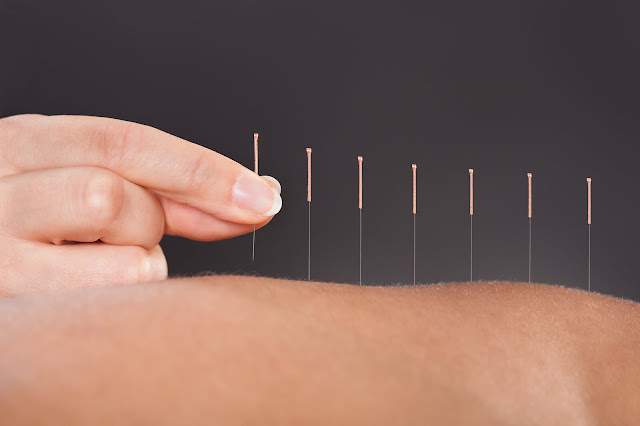
Acupuncture is a traditional healing practice that has been used for thousands of years, originating in Asia. Today, it is widely recognized as a complementary therapy for managing pain, stress, and various health conditions.
This technique involves inserting very thin needles into specific points on the body to stimulate natural healing processes and restore balance.
What Is Acupuncture?
Acupuncture is a key component of Traditional Chinese Medicine (TCM). It is based on the concept that energy, known as “Qi” (pronounced “chee”), flows through pathways in the body called meridians.
Practitioners believe that disruptions in this energy flow can lead to illness. By inserting needles at specific points, acupuncture aims to restore balance and promote overall well-being.
There are more than 400 recognized acupuncture points, each linked to different bodily functions.
How Acupuncture Works
From a modern medical perspective, acupuncture may stimulate nerves, muscles, and connective tissues. This stimulation can:
- Increase blood circulation
- Trigger the release of natural pain-relieving chemicals
- Promote relaxation and reduce stress
It is often used alongside other therapies such as non-opioid pain management approaches.
Common Conditions Treated with Acupuncture
Acupuncture has been studied for a variety of health conditions. It is most commonly used for:
- Chronic pain (back, neck, and joints)
- Headaches and migraines
- Nausea and vomiting
- Stress and anxiety
- Muscle tension and fatigue
It may also support recovery from conditions discussed in spinal injury treatments and help with pain management during rehabilitation.
According to research on acupuncture effectiveness, it can be beneficial for certain types of pain and symptom relief when used appropriately.
Effectiveness and Limitations
While acupuncture has shown positive results for pain relief and symptom management, it is not a cure-all. Its effectiveness can vary depending on the condition being treated.
- Effective for mild to moderate pain relief
- Helpful for stress reduction and relaxation
- Limited effectiveness for chronic diseases like diabetes or cancer
It may complement other treatments, such as natural treatment approaches, but should not replace medical care for serious conditions.
Safety and Professional Standards
Acupuncture is generally safe when performed by a qualified practitioner. Proper training is essential to ensure needles are placed accurately and hygienically.
- Always choose a licensed practitioner
- Ensure sterile, single-use needles are used
- Discuss your medical history before treatment
In many countries, acupuncture training can take several years, reflecting the complexity of the practice.
Acupuncture in Modern Medicine
Interest in acupuncture has grown significantly in Western medicine. Many healthcare providers now recognize its value as part of an integrative treatment plan.
Hospitals and clinics may offer acupuncture alongside conventional therapies, especially for pain management and recovery.
Patients recovering from procedures like back surgery may benefit from acupuncture as a supportive therapy.
Conclusion
Acupuncture is a time-tested therapy that continues to gain acceptance in modern healthcare. While it may not replace conventional treatments, it can provide meaningful relief for certain conditions when used correctly.
As with any medical treatment, it is important to consult with a healthcare professional to determine whether acupuncture is appropriate for your individual needs.
Frequently Asked Questions
Acupuncture is commonly used to treat pain, headaches, stress, and nausea.
Yes, when performed by a trained professional using sterile needles, it is generally safe.
Most people feel minimal discomfort, as the needles are very thin.
The number of sessions varies depending on the condition and individual response.
No, it is best used as a complementary therapy alongside conventional medical care.
