


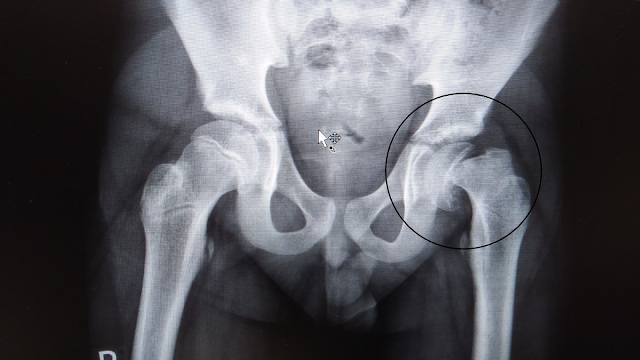
Slipped femoral epiphysis (also known as slipped capital femoral epiphysis or SCFE) is a condition that affects the hip joint, primarily in children and adolescents. It occurs when the ball at the head of the thigh bone (femur) slips out of its normal position, causing pain and mobility issues.
This condition is often associated with rapid growth and increased body weight, making early diagnosis and treatment essential for preventing long-term complications.
What Is Slipped Femoral Epiphysis?
The hip joint is a ball-and-socket structure where the head of the femur fits into the pelvic socket. In slipped femoral epiphysis, the growth plate weakens, allowing the femoral head to shift out of alignment.
This displacement can lead to:
- Pain in the hip, groin, or knee
- Difficulty walking or limping
- Reduced range of motion
- Leg length differences
Symptoms may develop gradually or appear suddenly in more severe cases.
Causes and Risk Factors
The most common contributing factor is increased stress on the hip joint, often due to excess body weight. Other risk factors include:
- Childhood obesity
- Rapid growth during puberty
- Hormonal imbalances
- Genetic predisposition
Maintaining a healthy lifestyle, including a balanced diet, can help reduce the risk of developing this condition.
Symptoms to Watch For
Symptoms of slipped femoral epiphysis can vary depending on how quickly the condition develops:
- Chronic cases: mild pain after activity, stiffness, and gradual limping
- Acute cases: sudden severe pain and inability to bear weight
Interestingly, children may report knee pain instead of hip pain due to shared nerve pathways.
Diagnosis and Medical Evaluation
Diagnosis involves a physical examination and imaging tests such as X-rays. Early detection is crucial to prevent further displacement of the joint.
Advanced imaging techniques, including diagnostic imaging scans, may be used in complex cases.
According to clinical insights on SCFE, prompt diagnosis significantly improves treatment outcomes.
How Obesity Contributes to SCFE
Excess body weight places additional stress on the hip joint, especially during growth periods. This increased pressure weakens the growth plate, making it more susceptible to slipping.
Encouraging regular physical activity, such as daily exercise routines, and proper nutrition can help reduce this risk.
Treatment Options
Slipped femoral epiphysis typically requires medical intervention. In most cases, surgery is necessary to stabilize the joint and prevent further slipping.
Surgical Treatment
- Pinning the femoral head in place using screws
- Minimally invasive procedures when detected early
- More extensive surgery for severe deformities
These procedures share similarities with techniques discussed in minimally invasive surgery approaches.
Post-Surgery Recovery
After surgery, children usually:
- Stay in hospital for several days
- Use crutches for several weeks
- Attend follow-up appointments with imaging tests
Recovery guidance may also align with strategies used in post-surgical rehabilitation.
Long-Term Outlook
With early treatment, most children recover well and regain normal function. However, delayed diagnosis can lead to complications such as joint deformity or arthritis later in life.
Conclusion
Slipped femoral epiphysis is a serious condition that primarily affects adolescents, especially those with excess body weight. Early recognition of symptoms and timely medical care are critical for successful treatment.
By promoting healthy lifestyle habits and seeking prompt medical attention, parents can help reduce the risk and ensure better outcomes for their children.
Frequently Asked Questions
It is a condition where the ball of the hip joint slips out of place, causing pain and mobility issues in children.
Adolescents, especially those who are overweight or experiencing rapid growth, are at higher risk.
Most cases require surgery to stabilize the joint and prevent further damage.
No, medical treatment is necessary to correct the condition and avoid complications.
Recovery may take several weeks to months, depending on the severity and treatment approach.
