


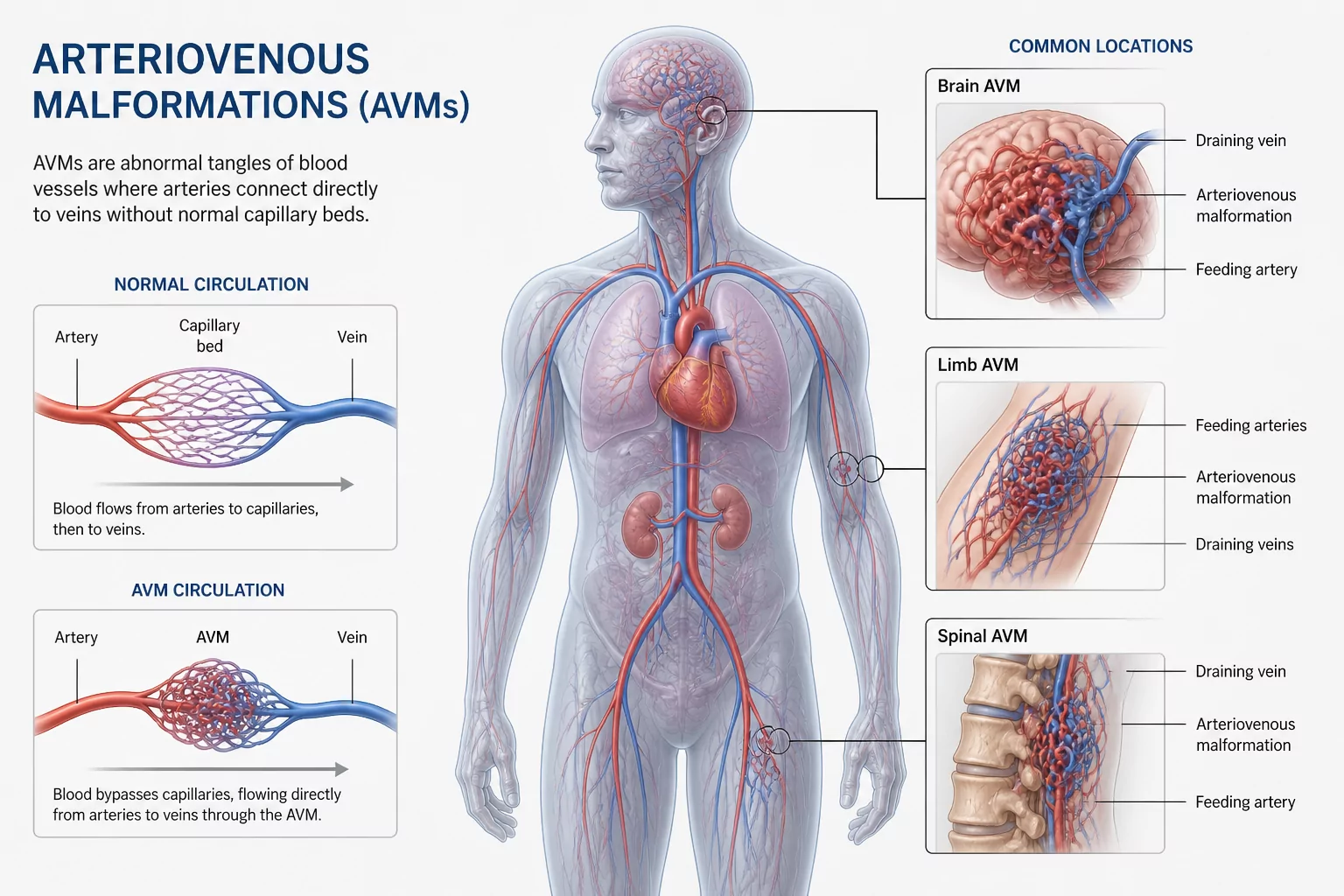
Osler-Weber-Rendu syndrome (OWR), also known as Hereditary Hemorrhagic Telangiectasia (HHT), is a rare genetic disorder that affects blood vessels. It is estimated to impact approximately 1 in 10,000 people worldwide and can lead to abnormal bleeding and vascular complications.
This condition causes fragile blood vessels that may rupture easily, leading to recurring symptoms such as nosebleeds and internal bleeding.
What Causes Osler-Weber-Rendu Syndrome?
OWR syndrome is caused by inherited genetic mutations that affect blood vessel formation. The two most commonly involved genes are:
- ENG (Endoglin gene) on chromosome 9
- ALK1 (ACVRL1 gene) on chromosome 12
These genes play a critical role in developing healthy blood vessels. When mutated, they lead to abnormal connections between arteries and veins.
The condition follows an autosomal dominant inheritance pattern, meaning a child has a 50% chance of inheriting the disorder if one parent is affected.
How the Condition Affects Blood Vessels
In OWR syndrome, tiny blood vessels called capillaries may not form properly. This results in abnormal connections known as arteriovenous malformations (AVMs).
AVMs can occur in various parts of the body, including:
- Skin and mucous membranes
- Lungs
- Brain
- Liver
- Gastrointestinal tract
These abnormalities can increase the risk of bleeding and other complications.
Common Symptoms of OWR Syndrome
Symptoms often appear during adolescence and may worsen over time. Not all individuals experience the same symptoms, but common signs include:
- Frequent nosebleeds (epistaxis)
- Small red spots on the skin (telangiectasias)
- Anemia due to chronic blood loss
- Shortness of breath or fatigue
- Headaches or migraines
For related bleeding concerns, see how to manage nosebleeds.
Complications Linked to AVMs
Depending on their location, AVMs can lead to serious complications:
- Lung AVMs: reduced oxygen levels and increased infection risk
- Brain AVMs: risk of stroke, seizures, or neurological symptoms
- Liver AVMs: potential heart strain and circulation issues
- GI tract AVMs: internal bleeding and anemia
Diagnostic tools such as medical imaging techniques and MRIs are often used to detect these abnormalities.
According to research on hereditary hemorrhagic telangiectasia, early detection is critical to preventing severe complications.
Diagnosis of Osler-Weber-Rendu Syndrome
Diagnosis typically involves a combination of clinical evaluation and imaging tests. Doctors may look for:
- History of recurrent nosebleeds
- Visible telangiectasias
- Family history of the condition
- Evidence of AVMs through imaging
Tests may include blood work, ultrasound, MRI, or CT scans to identify affected areas.
Treatment Options
Treatment depends on the severity and location of symptoms. Many individuals require only minimal intervention, while others may need more advanced care.
Managing Mild Symptoms
- Iron supplements for anemia
- Topical treatments for nosebleeds
- Lifestyle adjustments to reduce bleeding risk
Medical and Surgical Treatments
- Laser therapy to treat telangiectasias
- Endoscopic procedures for gastrointestinal bleeding
- Embolization to block abnormal blood vessels
- Surgery or radiosurgery for brain AVMs
Minimally invasive approaches, similar to those used in non-invasive procedures, are often preferred when possible.
Living With OWR Syndrome
Many individuals with OWR syndrome lead normal lives with proper management. Regular monitoring and early intervention can significantly reduce risks.
Maintaining overall health through proper nutrition, such as a balanced diet, and staying informed about symptoms are essential.
Conclusion
Osler-Weber-Rendu syndrome is a complex genetic condition that affects blood vessels throughout the body. While symptoms can vary widely, early diagnosis and appropriate treatment can greatly improve quality of life.
Regular check-ups and awareness of potential complications are key to managing this condition effectively.
Frequently Asked Questions
It is a genetic disorder that causes abnormal blood vessel formation and frequent bleeding.
Yes, it follows an autosomal dominant inheritance pattern, meaning it can be passed from one parent.
Common symptoms include nosebleeds, skin telangiectasias, and anemia from blood loss.
There is no cure, but treatments can effectively manage symptoms and reduce complications.
Diagnosis involves clinical evaluation, family history, and imaging tests such as MRI or CT scans.
