


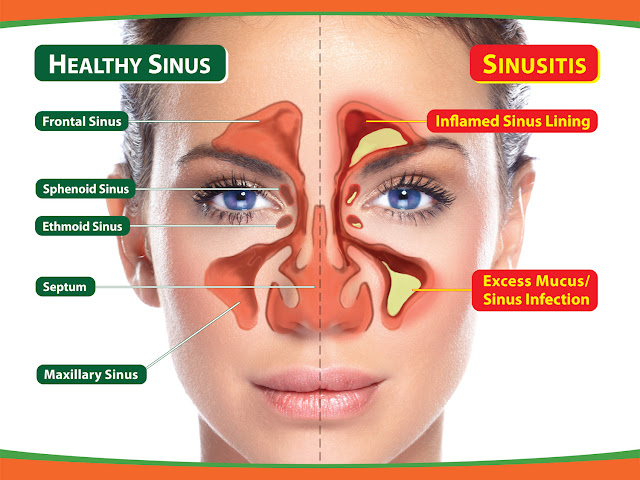
Sinus infections, also known as sinusitis, can cause uncomfortable symptoms such as congestion, facial pressure, headaches, and fatigue. While most cases resolve within a few weeks, proper treatment can help relieve symptoms faster and prevent complications.
If you’re unsure about your condition, reviewing sinus infection symptoms can help you better understand what you’re experiencing.
Types of Sinus Infections
Sinusitis can be classified into different types depending on how long symptoms last:
- Acute sinusitis: Symptoms last up to 4 weeks
- Subacute sinusitis: Symptoms last 4 to 12 weeks
- Chronic sinusitis: Symptoms persist for more than 12 weeks
Each type may require a slightly different treatment approach.
Medical Treatments for Sinus Relief
For acute sinus infections, treatment often focuses on relieving symptoms while the body fights the infection.
- Over-the-counter decongestants (short-term use only)
- Pain relievers for headaches and facial discomfort
- Prescription medications such as antibiotics if a bacterial infection is suspected
According to the CDC guidance on sinus infections, most sinus infections improve without antibiotics, as many are viral in nature.
Natural Remedies for Sinus Infection Symptoms
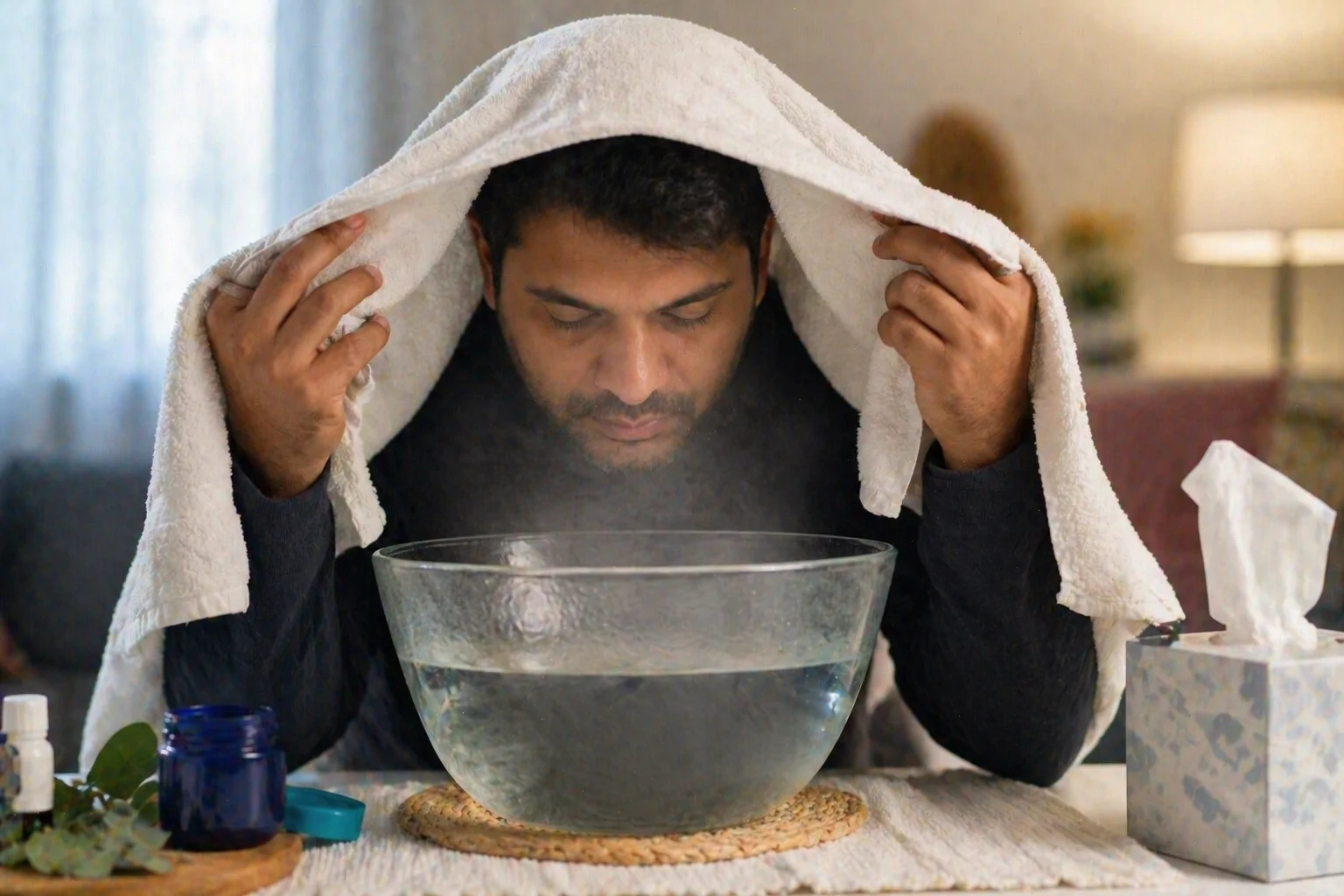
Many people find relief using natural remedies, especially for mild or chronic sinusitis.
- Steam inhalation: Helps loosen mucus and relieve congestion
- Warm compress: Reduces facial pressure and pain
- Hydration: Drinking fluids helps thin mucus
- Vitamins: Vitamin C and zinc may support immune function
Maintaining overall health with a balanced diet can also support your immune system during recovery.
Nasal Irrigation and Sinus Cleaning
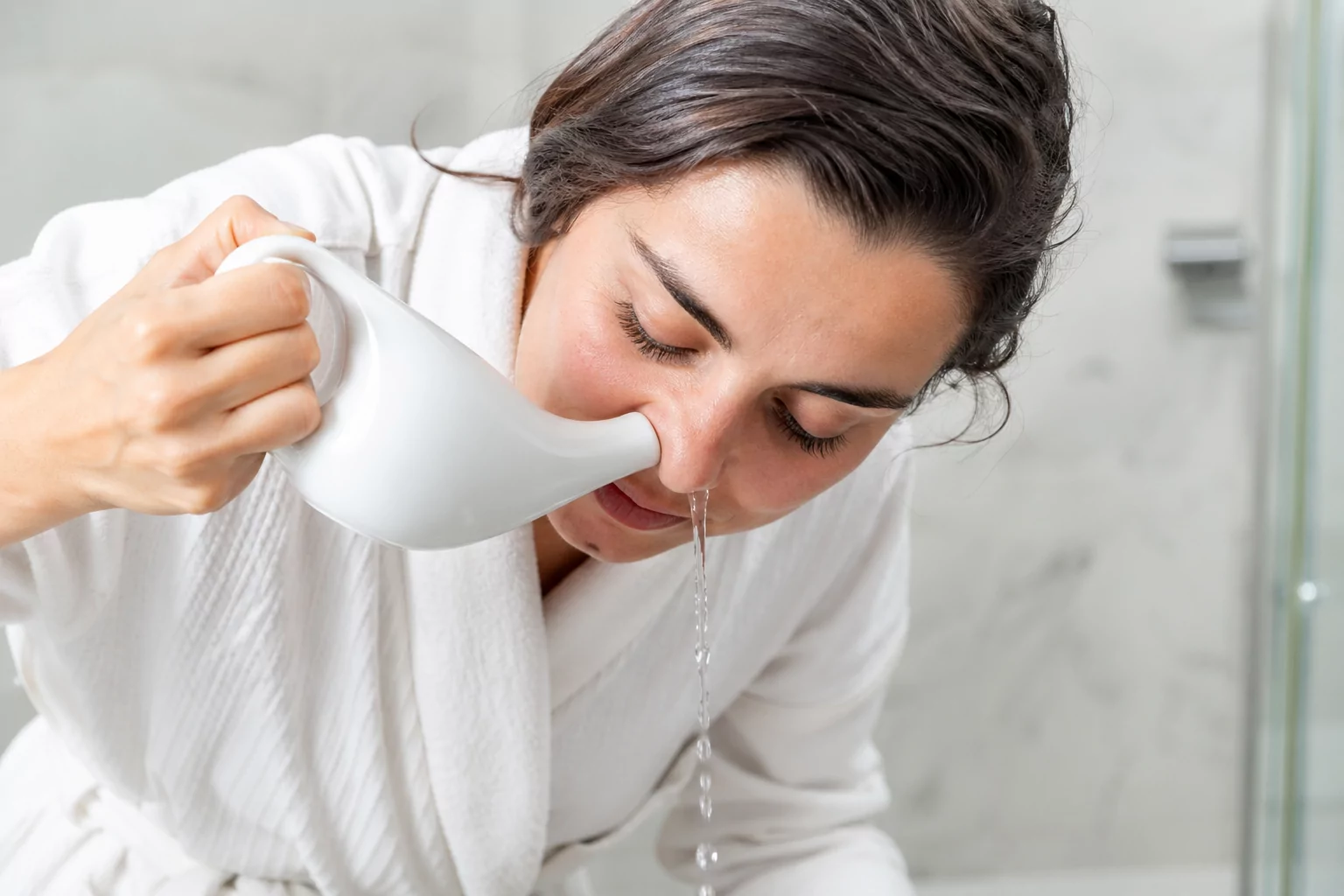
Nasal irrigation is an effective method for clearing mucus and irritants from the sinuses. This can be done using:
- Saline nasal sprays
- Neti pots
- Sinus rinse bottles
Regular sinus cleaning may help prevent recurring infections and improve breathing.
Reducing Pain and Inflammation
Managing inflammation is key to relieving sinus pressure. Helpful strategies include:
- Applying warm compresses to the face
- Using anti-inflammatory medications when appropriate
- Trying techniques to reduce swelling in inflamed tissues
Prevention Tips
Preventing sinus infections involves maintaining good hygiene and reducing exposure to irritants:
- Wash hands frequently
- Avoid allergens and pollutants
- Stay hydrated
- Use a humidifier in dry environments
Strengthening your immune system can also reduce the risk of infections.
When to See a Doctor
Consult a healthcare provider if:
- Symptoms last longer than 10 days without improvement
- You experience severe facial pain or swelling
- You develop a high fever
- Symptoms worsen after initially improving
Persistent or severe sinus infections may require medical evaluation and targeted treatment.
Conclusion
Sinus infections can be uncomfortable, but a combination of medical treatments, natural remedies, and preventive care can help manage symptoms effectively.
If symptoms persist or worsen, seeking professional advice ensures proper diagnosis and treatment.
Frequently Asked Questions
Acute sinus infections usually last up to 4 weeks, while chronic cases can persist for 12 weeks or longer.
Not always. Many sinus infections are viral and resolve without antibiotics.
Steam inhalation, warm compresses, hydration, and decongestants can provide quick relief.
Yes, when done properly with sterile or distilled water, nasal irrigation is a safe and effective method.
If symptoms persist, worsen, or include severe pain or fever, medical evaluation is recommended.
