


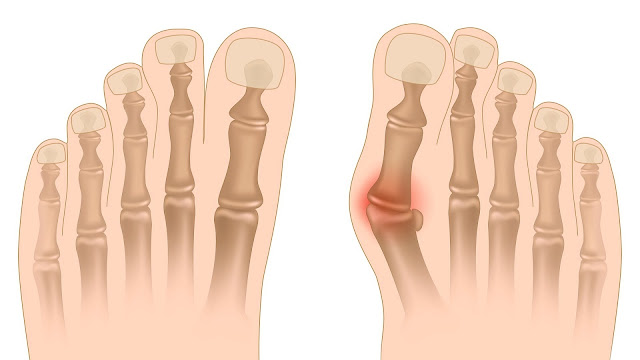
Bunions are a common foot condition that can cause pain, swelling, and difficulty walking. While surgery is sometimes necessary, many people can find relief through non-surgical treatments, especially when the condition is addressed early.
If you are experiencing symptoms, learning more about bunions and their causes can help you take the right steps toward treatment.
Why Early Treatment Matters
Early intervention can slow the progression of bunions and reduce the likelihood of joint deformities. Delaying treatment may increase pain and make surgical correction more likely.
Choose Proper Footwear
Wearing the right shoes is one of the most important steps in managing bunions. Tight or high-heeled shoes can worsen the condition by increasing pressure on the big toe joint.
According to the Mayo Clinic guidance on bunion treatment, properly fitting shoes can help relieve symptoms and prevent worsening.
- Choose shoes with a wide toe box
- Avoid high heels and narrow designs
- Look for soft materials that adapt to your foot
- Ensure enough space for toes to move freely
Padding and Support Devices
Protective padding and support devices can reduce friction and pressure on the bunion. Options include:
- Bunion pads or cushions
- Toe spacers
- Night splints
- Taping techniques
While these methods help relieve discomfort, they do not correct the structural alignment of the toe.
Pain Relief and Inflammation Control
Managing pain and swelling is an important part of bunion treatment. Common approaches include:
- Over-the-counter medications such as NSAIDs
- Ice therapy to reduce swelling
- Foot elevation to improve circulation
For additional support, you can explore strategies to reduce swelling and improve comfort.
Activity Modification
High-impact activities such as running can increase pressure on the front of the foot. Switching to low-impact exercises can help reduce pain.
- Swimming
- Cycling
- Light walking with supportive footwear
Maintaining an active lifestyle while minimizing stress on the feet is key to long-term relief.
Orthotics and Shoe Inserts
Orthotic devices can help redistribute pressure and support proper foot alignment. These may include:
- Custom prescription orthotics
- Over-the-counter arch supports
Custom orthotics are particularly beneficial for individuals with underlying foot conditions such as flat feet.
When to Consider Medical Treatment
If bunion pain becomes severe or interferes with daily activities, it may be time to consult a specialist. In some cases, advanced treatments or surgical options may be recommended.
Before considering surgery, it is often helpful to review alternatives such as non-surgical treatment approaches for other conditions, as similar conservative principles apply.
Conclusion
Non-surgical bunion treatments can provide effective relief for many people. By choosing proper footwear, using supportive devices, managing inflammation, and modifying activities, you can reduce discomfort and slow progression.
If symptoms persist, seeking professional advice ensures you receive the most appropriate care for your condition.
Frequently Asked Questions
Yes, many cases can be managed with proper footwear, orthotics, and lifestyle changes.
Bunion splints can help relieve pain and pressure but do not correct the underlying deformity.
Shoes with a wide toe box, soft materials, and low heels are best for reducing pressure on the joint.
No, bunions do not go away, but symptoms can be managed effectively without surgery.
Surgery may be recommended when pain is severe and non-surgical treatments no longer provide relief.
