


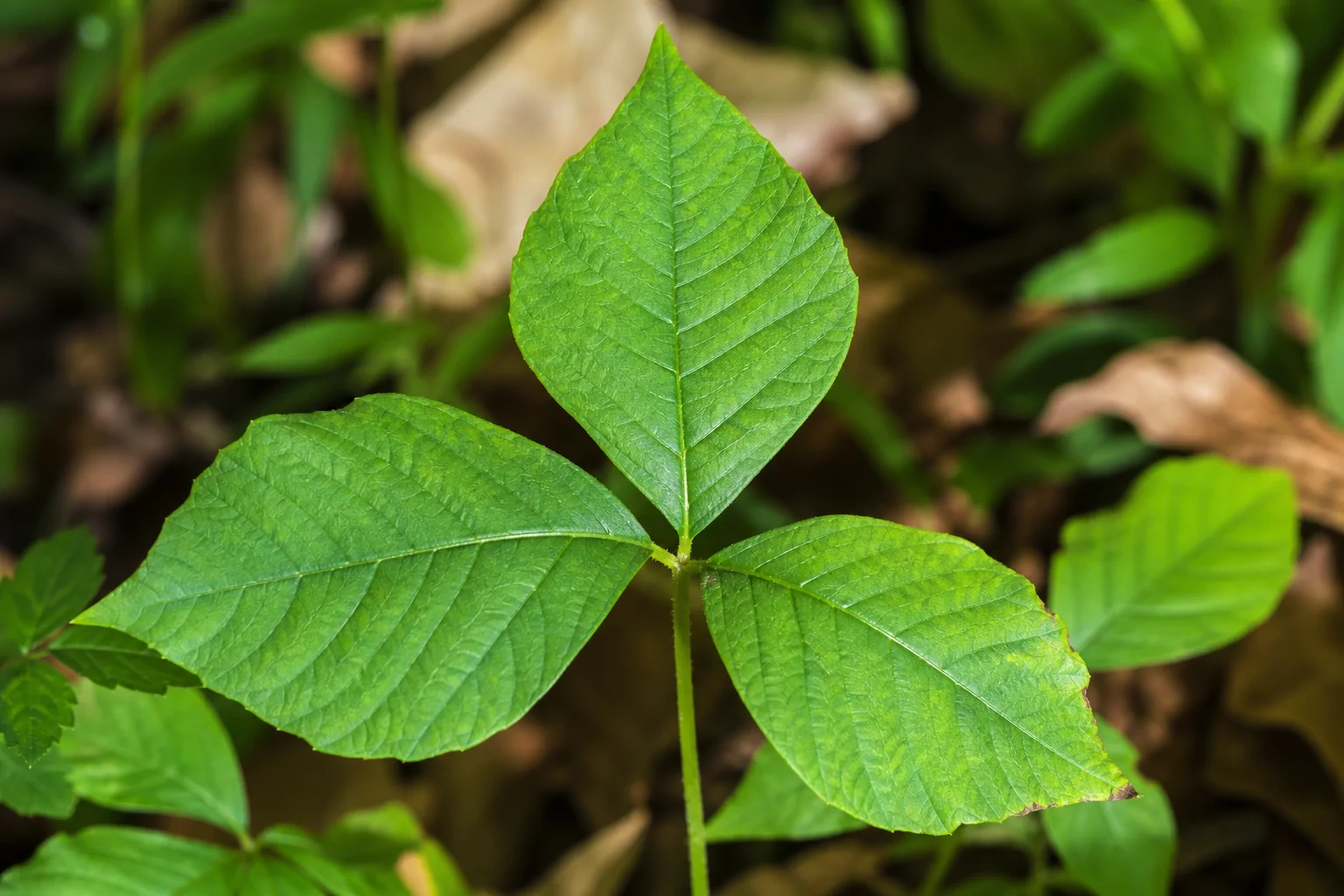
Poison ivy, scientifically known as Toxicodendron radicans, is a plant that causes an allergic skin reaction in many people. It grows throughout most of the United States and parts of Canada, often as a vine or shrub.
Contact with poison ivy can lead to an itchy, uncomfortable rash, but with proper care, symptoms can be managed effectively.
How to Identify Poison Ivy
Recognizing poison ivy is the first step in avoiding exposure. The plant typically has:
- Clusters of three leaves per stem
- Leaves that range from light to dark green
- Reddish coloration in the fall
- Growth as a ground plant or climbing vine
This “leaves of three” pattern is a key identifier when outdoors.
What Causes the Rash?
The rash is caused by an oily substance called urushiol, found in poison ivy leaves, stems, and roots. When urushiol comes into contact with the skin, it triggers an allergic reaction.
Symptoms usually appear within 12 to 48 hours and may include:
- Redness and swelling
- Severe itching
- Blisters that may ooze fluid
It is important not to scratch the rash, as this can lead to infection. Similar skin irritation concerns can also be seen in skin condition treatments.
How to Treat Poison Ivy
Immediate action after exposure can reduce the severity of the reaction. If you suspect contact with poison ivy:
- Rinse the affected area with cool water as soon as possible
- Avoid using soap initially, as it may spread the oil
- Shower later with soap and warm water
- Wash clothing, shoes, and any contaminated items
According to guidelines on poison ivy exposure, removing urushiol quickly is key to preventing a severe reaction.
Home Remedies
- Apply cool compresses to reduce itching
- Use calamine lotion or over-the-counter creams
- Take antihistamines if needed
For general inflammation relief, you may also explore ways to reduce swelling.
When to See a Doctor
While most poison ivy rashes resolve on their own within a few weeks, medical attention may be needed if:
- The rash spreads to the face or genitals
- There is significant swelling or pain
- Fever develops
- The rash does not improve after several weeks
Severe reactions may require prescription medications.
Preventing Poison Ivy Exposure
Prevention is the best defense against poison ivy. When spending time outdoors:
- Wear long sleeves and protective clothing
- Avoid touching unfamiliar plants
- Wash skin and gear after outdoor activities
Understanding plant-related risks can also complement broader health awareness, such as recognizing triggers discussed in allergy-related conditions.
Important Safety Tips
Urushiol can remain active on surfaces for a long time. Be cautious of indirect exposure through:
- Pets that have brushed against the plant
- Clothing and footwear
- Garden tools
Never burn poison ivy, as inhaling the smoke can cause severe respiratory reactions.
Conclusion
Poison ivy is a common cause of skin irritation, but it is manageable with prompt action and proper care. Identifying the plant, avoiding contact, and treating exposure quickly can minimize discomfort.
By taking preventive measures and knowing when to seek medical help, you can reduce the impact of poison ivy and protect your skin health.
Frequently Asked Questions
Poison ivy typically has three leaves per stem and may grow as a vine or shrub.
Most rashes last 1 to 3 weeks, depending on severity and treatment.
No, the rash itself is not contagious, but the oil causing it can spread.
Yes, pets can carry urushiol on their fur and transfer it to humans.
If the rash is severe, widespread, or involves sensitive areas, medical care is recommended.
