

Close Menu
    Facebook X (Twitter) Instagram
    Friday, May 22
    • Demos
    • Prevention, Immunity & Public Health
    • Nutrition & Healthy Eating
    • Buy Now
    Facebook X (Twitter) LinkedIn VKontakte
    Health Secrets
    Banner
    • Home
    • Features
      • Example Post
      • Typography
      • Contact
      • View All On Demos
    • Prevention, Immunity & Public Health

      Screening for Severe Combined Immunodeficiency

      April 23, 2026

      5 Methods to Rejuvenate your Heart

      April 23, 2026

      Sunburn Can Lead to Sunstroke

      April 23, 2026

      Prevention of Winter Flu and Bacteria

      April 23, 2026

      Prevent West Nile Virus

      April 23, 2026
    • Typography
    • Medical Conditions & Diseases
      1. Prevention, Immunity & Public Health
      2. Weight Loss & Metabolism
      3. Lifestyle, Habits & Wellness
      4. View All

      Screening for Severe Combined Immunodeficiency

      April 23, 2026

      5 Methods to Rejuvenate your Heart

      April 23, 2026

      Sunburn Can Lead to Sunstroke

      April 23, 2026

      Prevention of Winter Flu and Bacteria

      April 23, 2026

      Caffeine and Fat Loss

      April 23, 2026

      Watery Vegs and Calories Dropping

      April 23, 2026

      Green Tea for Weigth Loss

      April 23, 2026

      Fat as a Factor for Satiety

      April 23, 2026

      The Benefits of Live Shows

      April 23, 2026

      Let the Sun Shine!

      April 23, 2026

      Brush Your Teeth to Beat Heart Disease

      April 23, 2026

      Laugh to Prevent Heart Diseases

      April 23, 2026

      Weight Training Increases Arterial Stiffness

      April 23, 2026

      How To Stop the Heartburn

      April 23, 2026

      Beating Asthma

      April 23, 2026

      Dry Scalp Diseases and Treatments

      April 23, 2026
    • Buy Now
    Health Secrets
    Home » How to Prevent Osteoporosis
    Medical Treatments & Procedures

    How to Prevent Osteoporosis

    Dr. Laura BennettBy Dr. Laura BennettApril 23, 2026Updated:April 30, 2026No Comments3 Mins Read
    Facebook Twitter Pinterest LinkedIn Tumblr Email
    osteoporosis
    Share
    Facebook Twitter LinkedIn Pinterest Email

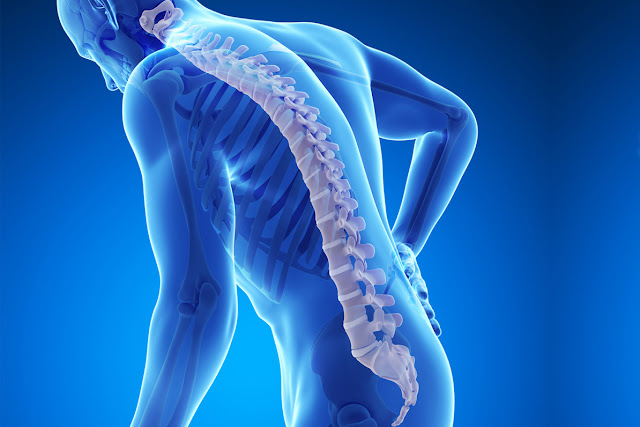
    Osteoporosis is a serious condition characterized by reduced bone density and increased fragility, making bones more prone to fractures. Often called a “silent disease,” it may not show symptoms until a fracture occurs.

    Understanding prevention strategies early in life is essential. You can also explore related diagnostic methods through bone density imaging to better understand how osteoporosis is detected.

    Why Osteoporosis Is a Serious Health Concern

    Osteoporosis affects millions of people worldwide and significantly increases the risk of fractures, particularly in the hip, spine, and wrist.

    According to the NIH research on osteoporosis prevention, maintaining bone health throughout life is key to reducing fracture risk later in life.

    Fractures related to osteoporosis can lead to long-term disability and even increased mortality, especially in older adults.

    Who Is at Risk?

    While osteoporosis is more common in older adults, several risk factors can increase susceptibility at any age:

    • Family history of osteoporosis or fractures
    • Low calcium and vitamin D intake
    • Hormonal changes, especially after menopause
    • Sedentary lifestyle
    • Smoking and excessive alcohol consumption

    Women, particularly after menopause, are at higher risk due to decreased estrogen levels, which play a role in maintaining bone density.

    Nutrition for Strong Bones

    A balanced diet rich in essential nutrients is crucial for bone health. Key nutrients include calcium and vitamin D.

    • Calcium sources: dairy products, leafy greens, nuts, and tofu
    • Vitamin D sources: sunlight exposure, fish, eggs, and fortified foods

    Following a balanced diet supports not only bone strength but overall health.

    The Role of Vitamin D

    Vitamin D helps the body absorb calcium effectively. Without adequate vitamin D, bones can become weak and brittle.

    • Spend time outdoors for natural sunlight exposure
    • Include vitamin D-rich foods in your diet
    • Consider supplements if recommended by a healthcare provider

    Maintaining adequate levels is especially important for individuals with limited sun exposure.

    Exercise and Physical Activity

    Regular physical activity plays a vital role in building and maintaining bone density.

    • Weight-bearing exercises like walking and jogging
    • Strength training to improve muscle and bone strength
    • Balance exercises to reduce fall risk

    Even simple routines can help prevent bone loss and improve overall mobility.

    Lifestyle Changes That Protect Bone Health

    Healthy lifestyle habits can significantly reduce the risk of osteoporosis:

    • Avoid smoking, which decreases bone density
    • Limit alcohol consumption
    • Maintain a healthy body weight

    Addressing habits early can prevent complications later in life.

    When to Seek Medical Advice

    If you have risk factors or concerns about bone health, consult a healthcare provider. Early screening and preventive strategies can make a significant difference.

    In some cases, additional evaluation may be needed, especially if fractures occur without significant trauma.

    Conclusion

    Preventing osteoporosis involves a combination of proper nutrition, regular exercise, and healthy lifestyle choices. By taking proactive steps early, you can protect your bones and reduce the risk of fractures later in life.

    Consistency is key—small daily habits can lead to long-term bone health and improved quality of life.

    Frequently Asked Questions

    What is the main cause of osteoporosis?

    The main cause is a loss of bone density, often due to aging, hormonal changes, and inadequate calcium or vitamin D intake.

    Can osteoporosis be prevented?

    Yes, through proper diet, exercise, and healthy lifestyle habits, the risk can be significantly reduced.

    What foods help prevent osteoporosis?

    Foods rich in calcium and vitamin D, such as dairy products, leafy greens, and fish, are beneficial.

    Is exercise important for bone health?

    Yes, weight-bearing and strength-training exercises help maintain bone density and reduce fracture risk.

    Who is most at risk for osteoporosis?

    Older adults, especially postmenopausal women, and individuals with poor nutrition or sedentary lifestyles are at higher risk.

    Share. Facebook Twitter Pinterest LinkedIn Tumblr Email
    Previous ArticleHow Do Medical Imaging Scans Work?
    Next Article How to Stop a Nosebleed
    Dr. Laura Bennett

    Dr. Laura Bennett is a health writer with a background in biomedical sciences. She focuses on explaining medical conditions, human physiology, and public health topics in a clear, evidence-based, and reader-friendly way.

    Related Posts

    Chin and Cheek Augmentation

    April 23, 2026

    Correct Lazy Eye in Babies

    April 23, 2026

    Complications of Refractive Clear Lens Extraction

    April 23, 2026
    Leave A Reply Cancel Reply

    • Facebook
    • Twitter
    • Instagram
    • Pinterest
    About
    About

    Your source for the lifestyle news. This demo is crafted specifically to exhibit the use of the theme as a lifestyle site. Visit our main page for more demos.

    We're social, connect with us:

    Facebook X (Twitter) Pinterest LinkedIn VKontakte
    From Flickr
    Ascend
    terns
    casual
    riders on the storm
    chairman
    mood
    monument
    liquid cancer
    blue
    basement
    ditch
    stars
    Copyright © 2017. Designed by ThemeSphere.
    • Home
    • Prevention, Immunity & Public Health
    • Sleep, Recovery & Hormones
    • Mental Health & Emotional Well-Being
    • Buy Now

    Type above and press Enter to search. Press Esc to cancel.