


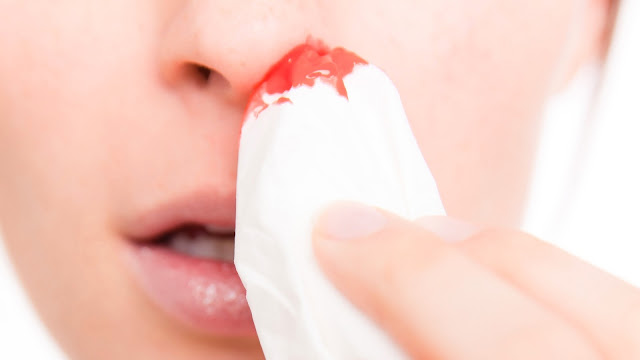
Nosebleeds, also known as epistaxis, can happen unexpectedly and may be alarming, especially if they occur frequently. While most nosebleeds are harmless, knowing how to manage them properly can help prevent complications and reduce discomfort.
If you experience frequent bleeding, it may be helpful to understand common nosebleed causes and triggers.
What Causes Nosebleeds?
Nosebleeds often occur when the delicate lining inside the nose becomes dry or irritated. Common causes include:
- Dry air from winter weather or indoor heating
- Nose picking or minor trauma
- Infections or inflammation
- High blood pressure
- Use of blood-thinning medications such as certain medications
According to the Mayo Clinic first aid guidance for nosebleeds, most cases can be safely treated at home with proper technique.
How to Stop a Nosebleed at Home
Follow these simple steps to control a nosebleed safely:
- Sit upright and stay calm
- Lean forward slightly (do not tilt your head back)
- Pinch the soft part of your nose for 10–15 minutes
- Breathe through your mouth while applying pressure
Leaning forward prevents blood from flowing down the throat, which can cause nausea or discomfort.
Use Cold Compress for Faster Relief
Applying a cold compress can help constrict blood vessels and slow bleeding:
- Use an ice pack or frozen vegetables
- Wrap it in a cloth to protect the skin
- Apply gently to the nose and cheeks
This method may also help reduce swelling and discomfort around the nasal area.
What Not to Do During a Nosebleed
Avoid common mistakes that can worsen bleeding:
- Do not tilt your head backward
- Avoid blowing your nose immediately after bleeding stops
- Do not insert tissues or objects deep into the nose
These actions can irritate the nasal lining and prolong bleeding.
How to Prevent Future Nosebleeds
Preventive care can significantly reduce the frequency of nosebleeds:
- Use a humidifier to keep indoor air moist
- Keep nasal passages hydrated with saline sprays
- Avoid smoking, which irritates the nasal lining
- Trim fingernails to reduce the risk of injury
Maintaining overall health through a balanced diet can also support tissue repair and healing.
When to See a Doctor
Although most nosebleeds are harmless, medical attention may be necessary if:
- Bleeding lasts longer than 20 minutes
- Nosebleeds occur frequently
- You feel weak or dizzy
- Bleeding follows a head injury
A healthcare provider can determine whether an underlying condition is contributing to the problem.
Conclusion
Knowing how to stop a nosebleed quickly and safely can prevent unnecessary stress and complications. Simple first aid steps, combined with preventive measures, can help manage and reduce future episodes.
If nosebleeds persist or worsen, seeking professional medical advice is the best course of action.
Frequently Asked Questions
Pinch the soft part of your nose while leaning forward and hold for 10–15 minutes.
Tilting your head back can cause blood to flow down your throat, leading to nausea or choking.
Frequent nosebleeds may indicate an underlying issue and should be evaluated by a doctor.
Yes, dry air can irritate the nasal lining and make it more prone to bleeding.
If bleeding lasts more than 20 minutes or occurs frequently, consult a healthcare provider.
